Moving past the vague feeling of aging
I used to explain away every hesitation or missed cue by saying it was just a part of getting older. It was a comfortable way to quiet my own anxiety while standing by the coffee maker, waiting for the water to heat. I would look at the ceramic dog-bone jar on the counter and tell myself that slowing down was the only logical outcome of a long life. That perspective felt safe because it required nothing from me except patience. However, watching Mabel standing at the back door with a vacant, puzzled expression made me realize that my broad definition of aging was not doing her any favors. It was too blunt a tool for the nuanced shifts I was seeing in her eyes and her movements.
There is a difference between physical fatigue and the subtle disruption of cognitive flow. When I started to view her morning routine not as a single block of time, but as a series of connected, smaller actions, I began to see where the signals were getting lost. The way she navigated the hallway or responded to the sound of the kibble hitting the dog bowl became a metric for me. I am no longer satisfied with the blanket explanation of age. I am looking for the specific points where the path becomes difficult for her to follow, hoping that precision will help me offer better support.
What the research actually says about flow
Three weeks ago, I sat at the kitchen table with my notebook and a cold cup of coffee, trying to reconcile the general decline I saw in Mabel with the specific circulation papers I had been reading. I used to think that just keeping her active was enough to move blood through her system. I tried taking her on longer, more vigorous walks near the park, but that only left her exhausted and confused when we returned to the rug runner in the hallway. I expected more movement to help; instead, it seemed to overwhelm her internal mapping.
The micro-surprise was how much better she did with short, predictable bursts of movement rather than one long outing. I stopped focusing on the distance of our walks and started watching the flow of her day. I began to treat her routine like a series of small, manageable circuits. If I kept the kitchen floor clear of obstacles and kept our departures through the back door consistent, she did not have to spend as much mental energy just navigating the house.
I started looking at our home as a system of pathways. When I moved the heavy reading chair away from the corner near the radiator, the way she navigated the living room changed almost immediately. It was not about fixing her brain, but about reducing the friction in her environment so her circulation did not have to work quite so hard to keep her oriented.
Translating circulation into my own kitchen
Three weeks ago, I tried to force a change that I thought would help Mabel with her evening restlessness. I moved her water bowl from the pantry corner to the hallway, thinking that a different placement might encourage her to move more intentionally. It failed. She became confused by the new location and simply stopped drinking for the evening, which made me feel foolish for trying to engineer her movement. I learned that the flow of a house is not something I can dictate, but rather something I must observe.
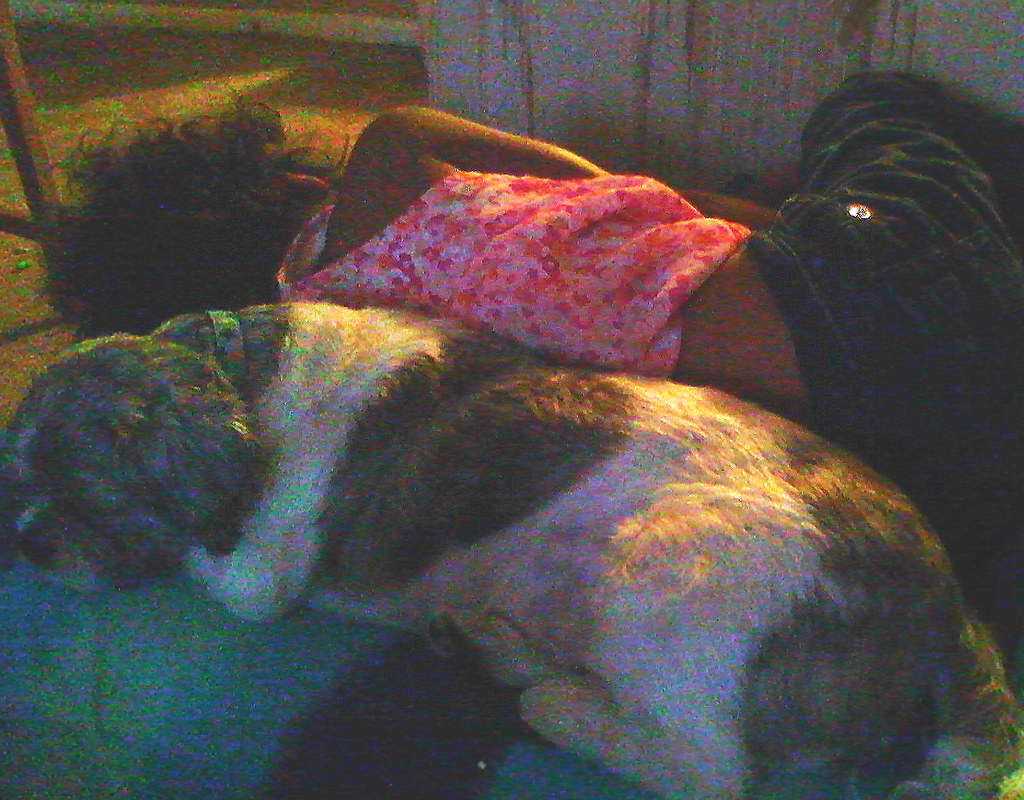
I expected the senior cocker spaniel currently in my care to be the one who paced the most when the house grew quiet. Instead, I found him curled into a tight, deep sleep on the rug runner while Mabel remained the one who drifted. The micro-surprise was that he, despite his own history of instability, found a stillness that Mabel could not reach. It made me realize that circulation is not just about physical activity, but about the ease of settling down.
Now I watch the leash hook by the door to see if they are ready for a walk, or if their movements suggest they need a quieter hour. I do not try to fix their flow anymore. I look for the moments where they naturally pause, and I support those quiet spots with a blanket or a dimmed lamp. My goal is to match their rhythm rather than impose my own. When I stopped trying to force the movement, the house became a place where we could all just exist without the pressure of being busy. I check the water bowl in its original spot, and I watch the way they navigate the rug runner, one slow step at a time.
The quiet reality of the middle ground
Three weeks ago, I tried to manage the pacing in my house by clearing the hallway of every possible obstacle. I thought that would help Mabel navigate the space, but it actually made her more hesitant, as if the lack of familiar landmarks confused her even further. I expected her to be more confident in an open space; she was the opposite. She stood by the radiator for a long time, looking at the empty floor with a strange, blank expression that I did not recognize.
Now, I sit in the lamp by my reading chair and watch the way she moves. I have learned to keep the rug runner in the exact same position, because even a shift of an inch changes her flow. When I watch Walter and the foster navigate the kitchen, I see a different rhythm, but I look at Mabel and I see the effort of connection. It is not about fixing a broken system. It is about understanding that her internal map needs more consistency than I ever realized. I keep my notebook on the table next to the coffee maker, recording these small shifts in her movement. This is what the middle ground looks like in my house, where the goal is not a cure, but a quieter, more readable day.
Holding the observation
I watch Mabel now as she navigates the hallway, her gait a little slower than it was last winter. I do not look for a cure or a sudden reversal of time. Instead, I look at how she approaches the rug runner near the kitchen pantry. If she pauses, I do not panic. I simply wait, kettle in hand, until she finds her rhythm again. It is a quiet way to live, but it keeps my own pulse steady while I watch hers.
Walter naps by the back door, his breathing deep and even, providing a baseline of ordinary comfort. I keep my notebook on the counter corner, ready to jot down a small shift or a moment of clarity. It is a way of staying present. The house feels calmer when I stop asking for answers and start observing the flow in a way that is ordinary.
The plain-language reason it caught my attention
I am not interested in sounding scientific for sport. I got interested in circulation because I kept noticing that my older dogs looked different on days when movement, warmth, appetite, and alertness all lined up well. Their bodies seemed easier to inhabit. Their eyes looked less taxed. Their recovery after a gentle walk looked more complete.
That sent me looking for a better framework than "good day, weird day, who knows." The simple version that made sense to me was this: the brain is still part of the body. If a dog is older, less active, more inflamed, more stressed, or simply having a harder time with recovery, then it is not strange to think support around blood flow, oxygen delivery, and daily movement might matter.
I am careful with this topic because it is easy for the internet to turn normal support ideas into grand claims. That is not what I mean. I mean that a dog who gets steady movement, enough rest, calmer routines, and thoughtful support may simply look more comfortable moving through her own life. That is a meaningful thing even if it never sounds dramatic.
What this changed in practice
- I cared more about recovery after a walk than about distance covered.
- I paid attention to whether stiffness and confusion seemed worse on sedentary days.
- I looked at hydration, meals, warmth, and movement as one cluster instead of separate chores.
- I stopped assuming "more exercise" and started asking what kind of movement felt supportive.
I also kept seeing circulation discussed next to oxidative stress, mitochondrial wear, and the aging brain’s ability to stay resilient under ordinary load. That made the topic feel much less abstract. Brain support was no longer a mystical wellness phrase to me. It was a practical question about how well an older dog can keep meeting the day.
That last question is what eventually led me to posts like better walks and food and energy. I did not need a shiny theory. I needed a way to understand why certain ordinary routines seemed to help so much.
What made this topic stop sounding woo to me
The honest answer is that the better sources talked about it in boring ways. Mobility. perfusion. recovery. aerobic support. oxidative stress. preserved function. None of that sounds like a miracle ad, which is exactly why I trusted it more. Good science writing often sounds much less glamorous than bad marketing.
It also helped that the same ideas kept showing up from different angles. Senior-care guidelines cared about mobility and function. Observational work cared about physical activity. Aging reviews kept pointing back to inflammation, mitochondrial burden, vascular support, and the cost of ordinary physiological stress. Once those threads lined up, I stopped feeling like I was chasing a niche theory and started feeling like I was seeing one corner of a larger healthy-aging picture.
- movement affects more than muscles
- recovery is part of function, not an afterthought
- steady daily support matters more than dramatic effort
- the brain does not age separately from the body carrying it
That is still how I hold the whole topic now: not as a magic answer, but as one important lane inside the broader question of how to make an older dog’s day easier to fuel, easier to recover from, and easier to navigate.