The distance I used to chase
I used to judge our morning route by how many blocks we covered before returning to the leash hook by the door. I wanted a specific number of steps to feel like a good dog mom. If Walter and Mabel did not look tired by the time we reached the kitchen, I thought I had failed. I would even rattle the ceramic dog-bone jar by the coffee maker to signal that we were ready for something longer, believing that more movement was always superior to less.
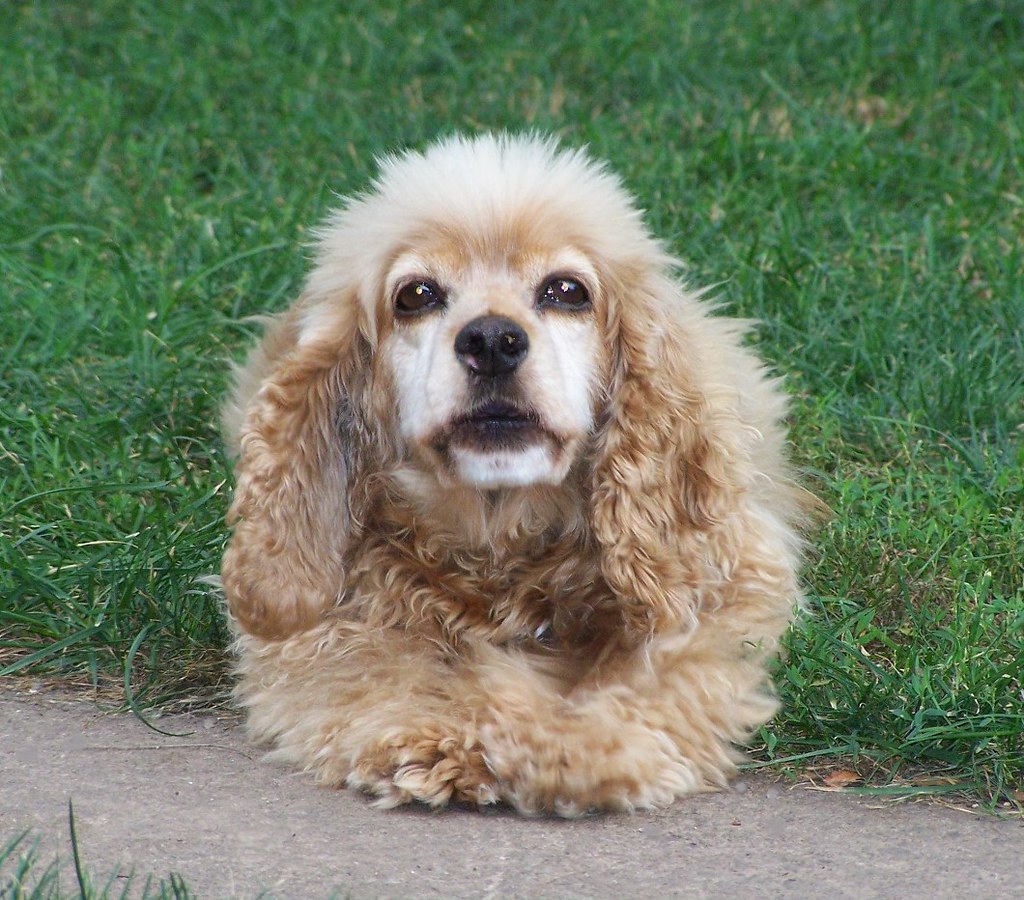
Pickle, the senior cocker spaniel currently living with us, has changed my perspective. He does not care about the map. He cares about the breeze at the back door. I now see that my old distance metrics were just noise.
What the hour after tells me
Three weeks ago, I tried to keep Pickle on a longer route because I thought the extra movement would help his stiffness. I was wrong. That afternoon, he paced the kitchen floor until the sun shifted behind the pantry door. It was a mistake to measure his health by the clock instead of his recovery. I now watch for the sound of Pickle’s paws on the floor to see if he is settling or just restless.
If he moves toward the rug runner in the hallway and sighs, I know he is comfortable. If he stays standing by the water bowl, I know I pushed him past his limit. I expected the longer walk to build his stamina, but it only created a cycle of agitation. The micro-surprise was how quickly his mood improved when I cut the distance in half.
He now spends the afternoon sleeping near the radiator instead of wandering. My notebook stays on the kitchen counter, ready for me to record these small wins. It is not about how far we go, but how readable the house remains when we return. When the dog is quiet, the whole room feels different. I am learning that a shorter walk is often the most respectful way to honor what he can do right now.
Reframing the walk as a dose
Three weeks ago, I tried to keep our morning routine at the same intensity as the year before, believing that more movement was always the better choice. I was wrong. I pushed the pace around the block, and by the time we returned to the back door, Pickle was panting in a way that did not settle for an hour. It was a clear signal that I had overshot the mark. I thought a longer route would build stamina, but it only created a frantic, restless energy that lasted until dinner.
I started treating the walk as a specific dose of movement, much like I track the kibble I measure out from the pantry. If the goal is circulation, I do not need to reach a certain distance or hit a timer. I need to reach a level of engagement that leaves Mabel and Walter and Pickle ready to sleep on the rug runner rather than pacing the hallway. My micro-surprise was how much faster they recovered when I cut the distance in half but kept the sniffing steady.
Now, I look at the leash hook by the door and ask myself what the dose should be for today. If it is humid or if they seem stiff, the dose is shorter. I do not look for the longest patch of sidewalk anymore. I look for the pace that keeps their tails level and their breathing slow. This adjustment has changed the way the afternoon feels in my house. It is no longer about checking a box on a list of chores. It is about balancing their energy so that the hours after we return are peaceful and predictable. That is the only math that matters to me now.
The quiet shift in my expectations
Three weeks ago, I tried to keep Pickle on our old, longer route, thinking that more movement would help his circulation. I was mistaken. He came home panting and restless, pacing the kitchen floor until he finally collapsed near the pantry. I realized then that I had been measuring the wrong thing. I was chasing distance, but he was telling me he needed recovery.
It was a micro-surprise to see how much better he felt after we cut the walk in half. I expected him to be stiff, but he was actually more eager to settle. Now, when we get home, he goes straight to the lamp by my reading chair and drops into a deep, quiet sleep.
Mabel and Walter have shifted their rhythm to match this slower pace as well. We do not need the long loop to feel like we have accomplished something. I watch them from the kitchen counter while I pour my coffee, and I see three dogs who are comfortable in their own skin. The house feels calmer when I stop forcing the mileage. It is a quieter, more readable way to live, and for us, it is enough.
Finding the ordinary middle
I keep my notebook on the kitchen counter, tucked right behind the ceramic dog-bone jar. When I look at the pages from this month, I see a pattern of shorter, more frequent outings that replaced my old habit of one long, exhausting trek. Mabel and Walter seem to appreciate the change, and even Pickle, who is still finding his way in my house, settles onto the rug runner with a much softer sigh than he did when we first brought him home.
It is not about doing less for the sake of laziness. It is about matching the dose of movement to what the dog can actually recover from before the sun goes down. I find that when I stop chasing distance, I start seeing the small, readable signs of a dog who is comfortable in her own skin. The house feels calmer, the hallway is less frantic, and the afternoon light on the kitchen floor stays peaceful.
A supportive walk should help a dog feel more at home in her body, not less. That has become my whole rule.
The mistake I made for years
I thought a "real walk" had to look mildly impressive to count. Longer loop. Better workout. Bigger sigh of accomplishment from me. What finally changed my mind was noticing that some of those ambitious walks left my older dogs physically finished but mentally less settled. A tired dog is not always a better-oriented dog.
When I started shortening the route and improving the quality instead, I got a completely different result. We moved more slowly. We let sniffing happen without turning it into a performance. We skipped the loud block with too many driveways and leaf blowers. We came home before she looked taxed. The rest of the day often went better too.
That taught me to think of walks as nervous-system events, not just exercise events. A dog can walk farther than is helpful. A dog can also come home carrying more sensory clutter than she knows what to do with. Better walks reduce that burden instead of adding to it.
It also lined up with the large observational data suggesting physical activity is associated with lower cognitive-dysfunction risk. Again, not "run your old dog into the ground." More like: do not underestimate the brain value of steady, appropriate movement.
What a better walk includes for me
- a calm start instead of bursting out the door
- a route with fewer surprises and less traffic noise
- sniff breaks that let the dog set a gentler rhythm
- turning around while the dog still looks capable, not after she looks done
If I want movement to support circulation and confidence, the walk has to feel readable. That is why I pair this post with my gentle walk routine. It is the how-to version of this exact lesson.
What I watch in the hour after we get home
The post-walk hour is honestly where my real scoring happens. Does she drink and settle? Does she pace? Does she look pleasantly tired or scrambled? Does she seem relieved to be done, or almost brighter because the movement helped? Those answers matter much more to me than a step count.
- more settled after the walk means I probably got the dose right
- more wandering means the outing may have cost too much
- hesitation at the bowl or bed tells me to look at recovery, not just exercise
- a smoother evening often starts with a better walk, not a bigger one
That is also why I wrote a whole post about the hour after a walk. Supportive exercise is not just about the outing itself. It is about what the dog’s nervous system is still carrying when the leash is off.