The rhythm of the kitchen
My mornings begin with the familiar clatter of the ceramic dog-bone jar by the coffee maker. I used to watch Mabel and Walter with a focus on speed, wanting them to eat with the same energy I expected from a healthy dog. Now, I watch the way they stand. I listen to the sound of kibble hitting the stainless steel bowls. If I hear a hesitation, I pay attention.
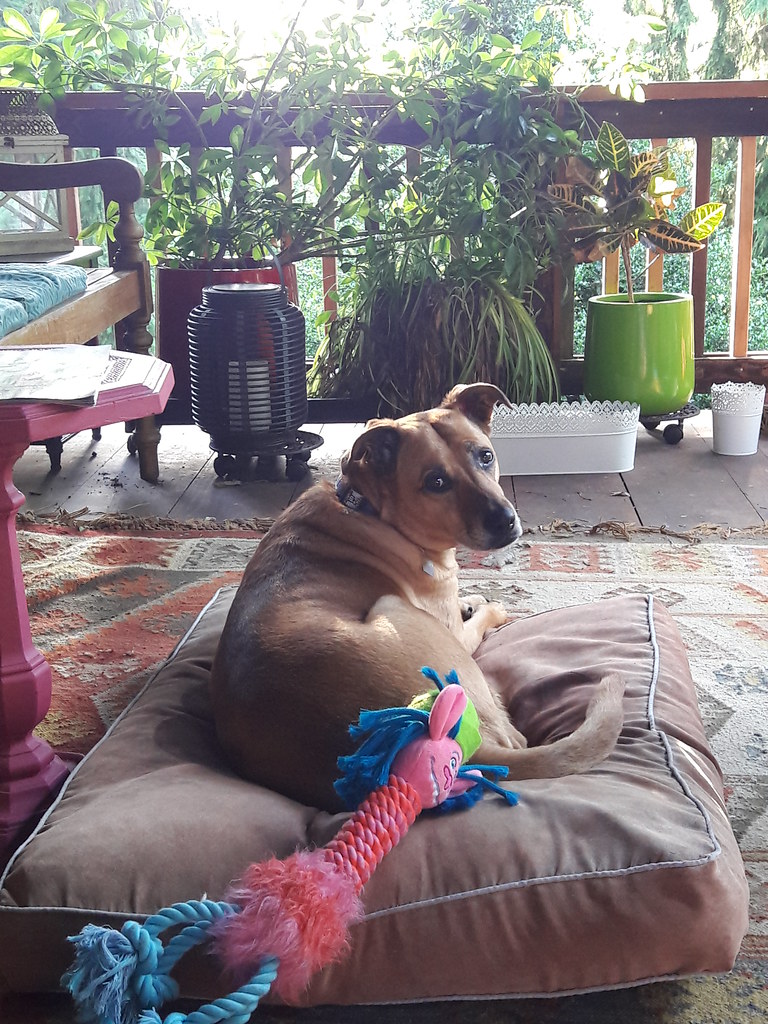
Pickle, the cocker spaniel currently sharing our rug runner, has shown me that the pace of eating is not just about hunger. It is about how he holds his neck and whether he feels steady while he lowers his head. A dog who feels good in his body eats with a rhythmic, predictable flow that is very different from the way a senior dog might shift his weight when he is feeling stiff.
Looking past the calories
I used to track every cup of kibble with the precision of a chemist, thinking that caloric density was the only variable that mattered for my aging crew. Three weeks ago, I watched Pickle struggle to steady his hind legs while he navigated the slippery tile near the pantry, and I realized my math was solving for the wrong problem. I tried switching his bowl to a higher stand, hoping that the added height would keep him from wobbling, but it just made him tilt his neck in a way that looked uncomfortable.
The micro-surprise was how much his energy shifted once I stopped focusing on the food volume and started watching his circulation through the morning chill. I expected him to be lethargic after eating, but he actually became more responsive when I moved his rug runner closer to the radiator. My notebook on the kitchen counter is now filled with observations about his warmth and movement rather than just serving sizes. I am looking for the heat in his paws and the steadiness of his gait, noting how he handles the transition from the bowl to the back door. It is not about the calories anymore; it is about the blood flow that keeps him upright.
Blood flow and the afternoon slump
I remember that Tuesday afternoon in late autumn when I tried to force a longer walk to help with the sluggishness. I thought an extra lap around the block would wake up the system, but it only resulted in a dog who was too tired to stand by the water bowl. I noticed the hard way that forcing movement when the circulation is already struggling is not the same as encouraging it. Now, I watch the way Pickle waits at the pantry door instead. He has a specific, slow stillness that tells me more about his blood flow than any distance tracker ever could.
I expected Pickle to be restless while I prepped the evening meal, but he was the opposite. He stood by the pantry door with his head low, his weight evenly distributed, and his breathing steady. It was a micro-surprise to see him so content to simply exist in the kitchen space while the light shifted across the rug runner. He was not pacing or checking the counter corner for dropped crumbs. He was just being.
When the circulation is moving well, the posture remains soft. When it is sluggish, I see that tension in the neck or the way the back legs tremble slightly on the hardwood. I keep my notebook on the counter by the coffee maker, and I have started noting these pauses. It is not about how much ground we cover in the morning. It is about whether the dog can stand by the pantry door and feel comfortable in his own skin when the day starts to wind down.
Adjusting the delivery
I tried moving the bowls to the rug runner in the hallway last winter, thinking that a quieter space would help my fosters settle faster. I thought the lack of kitchen traffic would make the mealtime scramble vanish. It did not work. The change actually created more anxiety because the dogs felt separated from the main rhythm of the house. I noticed that for a senior dog like Pickle, the kitchen is a landmark, not a distraction. The sound of the coffee maker and the creak of the floorboards are part of the safety he expects.
The micro-surprise happened on that Tuesday morning when I finally left the bowls exactly where they have always been. I simply changed the timing. Instead of putting the food down the moment the kitchen light flickered on, I waited until after our first slow lap around the yard. By the time we returned to the kitchen, Pickle was not pacing or checking the pantry door for clues. He walked straight to his bowl and ate with a steady, quiet focus I had not seen before.
- A consistent sequence of movement before the bowl appears.
- Leaving the water bowl near the back door for easy access after a nap.
- Keeping the floor surface under the feeding mat as non-slip as possible.
- Watching for the pause between the last bite and the move toward the living room.
What I measure now is the transition. If the dog moves from the bowl to the rug runner in the hallway without a frantic check of the room, I know the circulation is doing its work. The goal is not a fast meal, but a calm one that does not leave the dog feeling scattered when the dish is empty.
Ordinary support
I watch the way Mabel moves toward the ceramic dog-bone jar by the coffee maker, her gait steady and purposeful. It is a small thing, but it tells me more about her circulation than any chart or graph ever could. When I see her settle onto the rug runner in the hallway, she does not look stiff or hurried. She looks like a dog who is comfortable in her own skin.
Walter often joins her, his heavy frame landing with a soft thud near the radiator. Even Pickle, the foster who is still finding his rhythm, seems to follow their lead. They do not need me to explain the science of blood flow or the mechanics of a healthy afternoon. They just need the space to be themselves. I close my notebook and set it on the kitchen counter, listening to the quiet house. It is a soft, ordinary way to spend the middle of the day.
What I actually started noticing
I first paid attention to this because some breakfasts seemed to brighten my dog up in a calm, even way while other meals left her dragging or unsettled. I am not talking about instant transformations. I am talking about the subtle difference between a dog who moved through the next hour with more ease and a dog who looked a little taxed before noon.
That pushed me to take notes on timing, hydration, appetite, and recovery together instead of as separate topics. If a dog eats late, drinks poorly, skips breakfast, then goes on a stimulating walk, the whole system can look wobblier. When meals felt predictable and gentler, the day often did too.
I am intentionally cautious here because food discussions can become theatrical fast. My takeaway was not that one food cures everything. It was that stable intake, good hydration, easy digestion, and routines that support circulation all seem to make it easier for an older dog to feel like herself.
The practical version
- I like meals to happen on a readable schedule.
- I notice when appetite changes line up with more confusion or slower recovery.
- I pay attention to how a dog looks thirty to sixty minutes after eating, not only during the meal.
- I treat hydration and movement as part of the same conversation.
Those observations pair especially closely with small appetite changes. Once you start seeing food as information instead of a yes-or-no checkbox, you learn a lot more from ordinary days.
The first hour after breakfast tells me a lot
If breakfast was a good fit for the moment, I often see it in the first hour. She looks more anchored. The route to her resting spot is more direct. Her eyes seem less effortful. If the morning stays blurry even after food, water, and a calm start, that tells me I need to widen my frame and look at sleep, pain, recovery, or the broader load on the day.
That is part of why I stopped thinking in terms of "good food" as a static concept. A food routine is only good if it leaves the dog steadier in actual life. Readable timing, tolerance, hydration, and what happens next all matter.
Once I started holding meals inside that bigger systems picture, I became much less dazzled by ingredient hype and much more interested in whether the dog herself looked easier inside her own day.