The morning the pattern felt thin
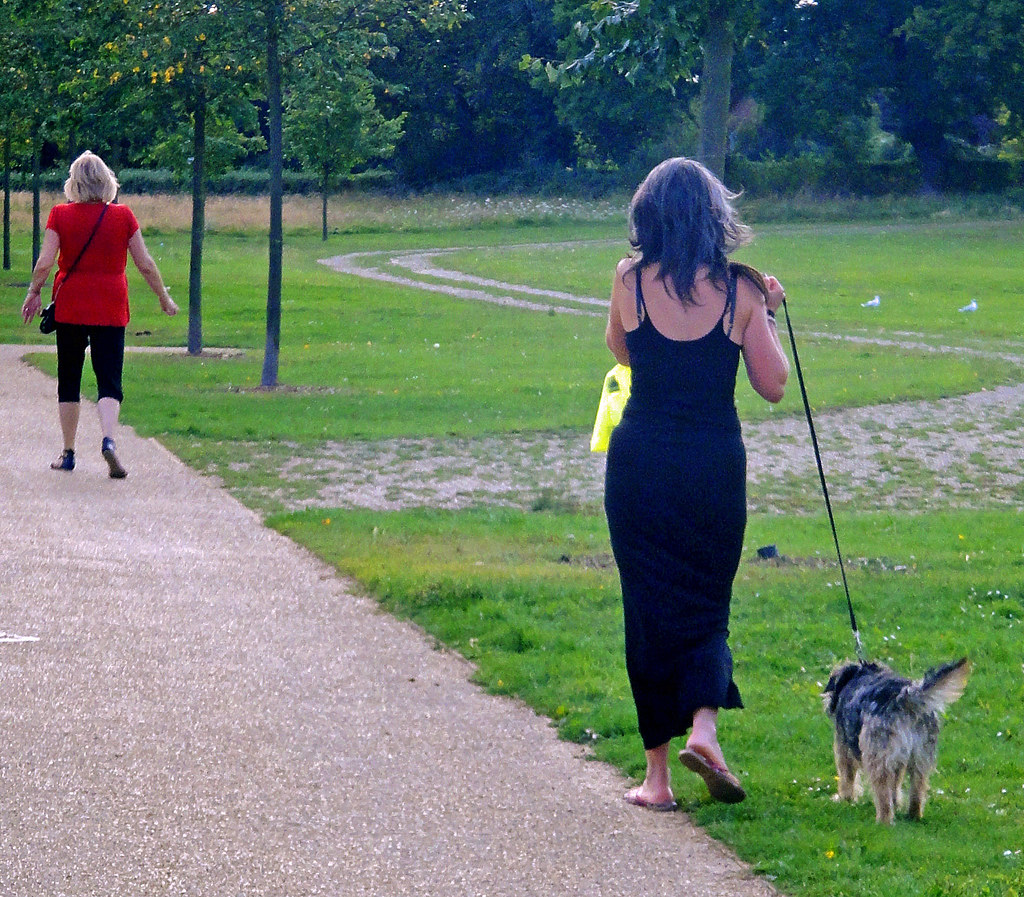
The kitchen floor felt colder than usual under my slippers when I reached for the ceramic dog-bone jar. Mabel was standing by the back door, her tail moving in a slow, uncertain rhythm that did not match her usual morning greeting. She looked at the handle, then back at me, as if she had forgotten the sequence of movements required to go outside. Pickle was pacing the rug runner in the hallway, his nails clicking a frantic, uneven beat.
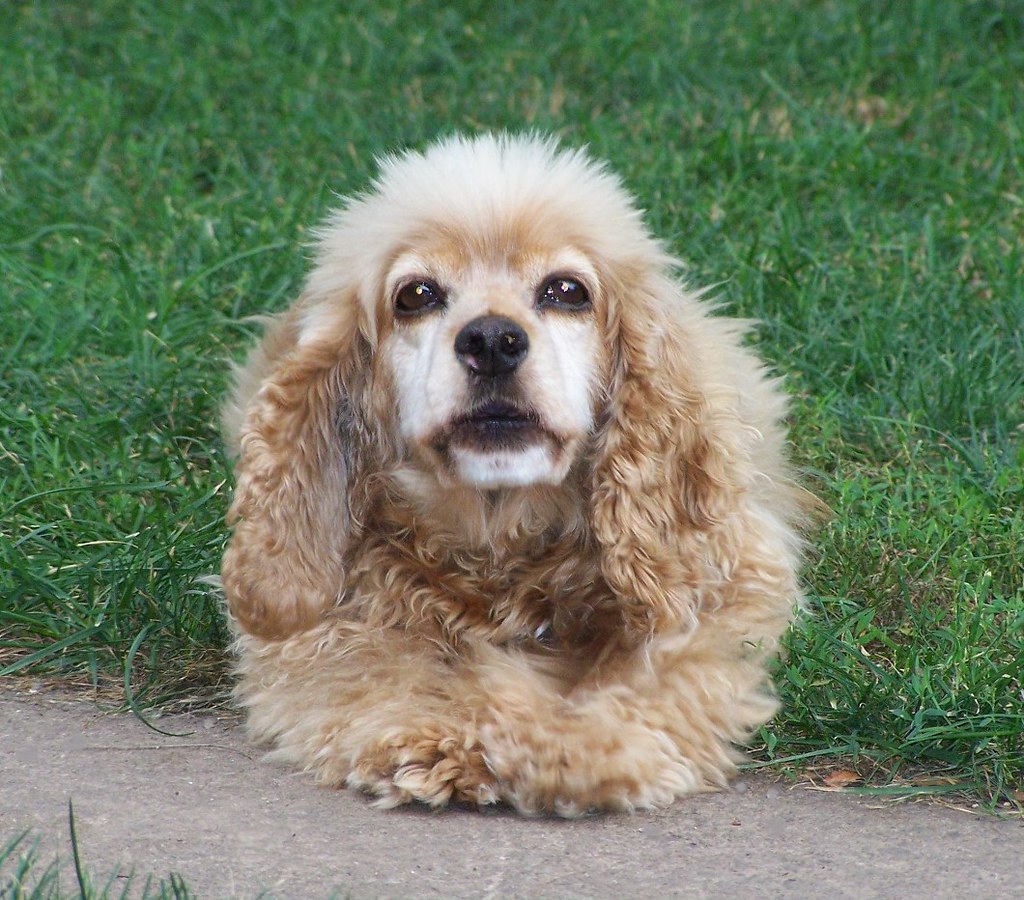
Walter sat by the coffee maker, watching me with his steady, hound-mix gaze. He was the anchor, but even his presence could not fix the thin, fragile feeling of that Tuesday morning. I realized then that my memory was failing to hold the small, shifting details of their lives.
Why the memory was not enough
Three weeks ago, I sat at the kitchen table with my coffee and realized my mental record was fraying. I have always trusted my intuition, assuming I would just know when the shift happened, but that approach felt hollow. I had tried tracking Mabel’s evening pacing by keeping a mental tally, but that method failed because I could not distinguish between a one-off restless night and the start of a pattern. The memory was not enough.
I expected the change in my senior dog to be a singular, loud event, but the reality was a collection of quiet gray moments. When I looked at the dog bowl by the pantry, I could not remember if she had finished her dinner at the usual time or if she had wandered off to sit by the back door instead. My reliance on intuition had hit a wall. It was not a crisis, but it was an uncertainty that sat in my chest like a heavy stone while I stood in the hallway. I realized then that if I wanted to understand what was actually happening with her, I had to stop guessing and start recording the ordinary, boring details of our days.
What the notebook revealed
I started keeping the stack of notebooks by the reading chair because my own memory felt like a sieve. Last October, I tried relying on sticky notes attached to the refrigerator door, but they just fell off or got smudged by damp paws, and I lost the thread of what was happening. I thought a digital log would be faster, but the blue light of the screen felt harsh at night when I just wanted to watch the breathing of the dogs. The paper notebooks, however, stayed put. They became a physical record of the quiet shifts I might have otherwise ignored.
When I look back at the entries from that first month, the patterns are unmistakable. I expected to see a downward trajectory, a simple list of losses, but the reality was much more jagged. I noticed that Mabel would pace by the back door at four in the afternoon, not because she needed to go out, but because the light hitting the rug runner changed in a way that seemed to confuse her. I never would have connected the sun’s angle to her restlessness without writing down the time and the room for ten days in a row.
The notebook revealed that Pickle, my foster, often mirrored her anxiety, which was a micro-surprise to me. I assumed he was independent, but he was actually tracking her moods with a precision I lacked. Seeing those two names side-by-side on the page changed how I managed the house. I stopped trying to force them into a single routine and started respecting the individual rhythms I had finally written down. The notebook is not a cure, but it is a map of the room we are actually living in.
How the routine shifted
Three weeks ago, I decided to move the water bowl from the pantry corner to the kitchen rug runner. I thought the increased accessibility would help with the evening confusion, but it only created a new obstacle for Pickle to trip over. His nails on the tile sounded like a frantic drumbeat whenever he circled the rug, and the noise caused Mabel to wake up in a start. I realized then that my adjustments were adding to the chaos rather than containing it.
I stopped trying to engineer the environment and started observing the rhythm instead. I began to track the exact minutes when the evening pacing started, using my small green notebook by the coffee maker. I expected to see a random sequence, but the data showed a clear, predictable arc. The surprise was not the pacing itself, but how much calmer the house became once I stopped interfering. I stopped rearranging the furniture and started holding space for the confusion.
I started to leave the kitchen lamp on a dim setting during those twilight hours, which helped Pickle navigate the space without bumping into the fruit bowl. I stopped trying to redirect him and instead sat on the floor with my notebook, writing down what I saw as it happened. It was not a fix, but it was a way to watch the evening unfold without adding my own anxiety to the mix. The routine became quieter, and for the first time in months, the hallway felt like a place we could all inhabit at the same time.
The quiet of a readable day
I sit at the kitchen table with my notebook open, watching the afternoon light stretch across the rug runner. Mabel is asleep near the back door, her breathing steady and rhythmic. Walter has claimed the space under the radiator, his chin resting on a stray toy. Pickle, the foster, is curled into a tight ball on the dog bed by the pantry. There is no frantic energy here, only the soft sounds of a house that has found its own pace.
Writing things down has changed the way I move through these rooms. I no longer look at a sudden pause in the hallway or a missed cue by the coffee maker and feel a spike of panic. Instead, I see a data point. I see a detail that belongs in the notebook. This practice has turned my home into a readable space where I can track the small shifts without letting them overwhelm my heart. It is not about perfect control. It is about having a record that makes the ordinary moments feel manageable. The house feels quieter now.
The actual notebook method
Every page had the same little layout because I knew I would quit if I made it too precious. Date at the top. Four short lines underneath: sleep, pacing, appetite, orientation. Then one tiny blank area for "anything odd." That was it. No colored tabs. No app. No mood board pretending to be helpful.
A sample entry from that month looked like this: "Slept hard until 3:10. Wandered kitchen and hall for 8 minutes. Needed bowl pointed out after breakfast. Easy short walk. Settled faster after lunch than after dinner." That kind of sentence does not look exciting, but stack ten of them together and suddenly a dog’s week becomes legible.
The surprise was how much the notebook changed my own behavior. Once I had a place to put the information, I stopped rehashing it in my head every five minutes. I became less frantic and more precise. I was not just noticing what scared me. I was noticing what soothed her too, which turned out to be just as important.
Things the notebook taught me that memory would have blurred
- Restless evenings were more likely after late stimulation than after busy mornings.
- A shorter walk done earlier worked better than a longer walk done too late.
- Confusing moments clustered around transitions: dusk, bedtime, and meals.
- The best days were almost boring, which I now consider a compliment.
If you want the practical companion to this post, it pairs well with my senior-dog checklist. The notebook caught the patterns. The checklist helped me act on them without reinventing the wheel each day.
Why the notebook made me better in appointments too
The notebook also changed how I talked to the vet. Instead of saying "She has just seemed kind of off lately," I could say, "For the last three weeks she has been more hesitant after dusk, has had four nights with wandering in the kitchen, and seems to recover more slowly after the busier walk route." That is a completely different quality of information.
That is why I still tell people the notebook is not about becoming intense. It is about becoming credible. It gives your concern shape. It lets the truth survive your own nerves.