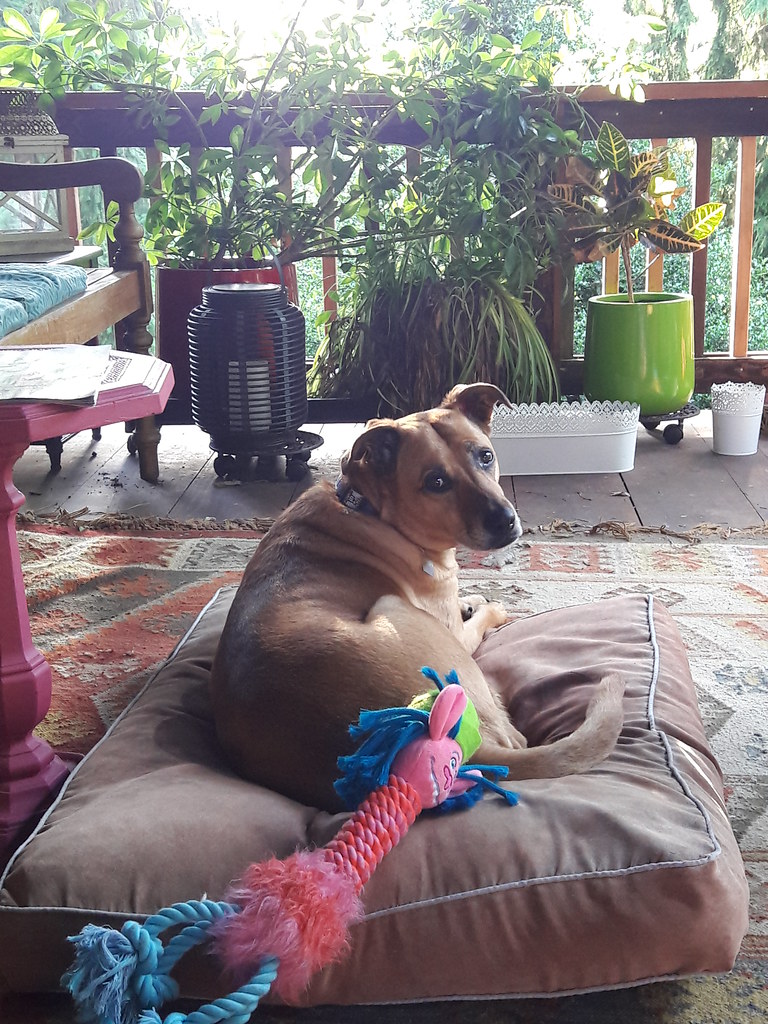
I used to measure our success by the miles we covered, judging the quality of a walk by how tired the dogs looked when we reached the mudroom. I thought a long, steady pace meant a better day. Now I see that as a mistake. My current standard is much smaller. I look for how they settle onto the rug runner in the hallway once the adventure is over. If they are frantic or restless, I know I pushed the dose too far.
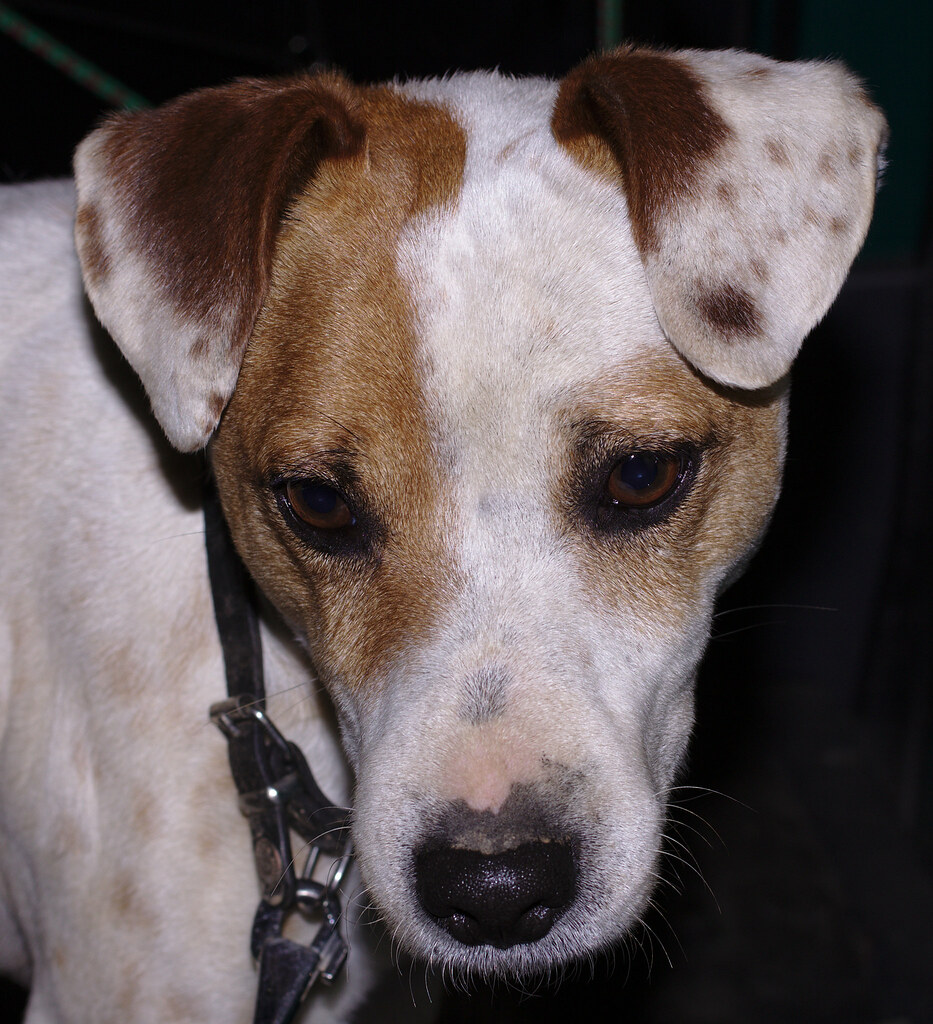
The sound of the back door latch clicking into place is my signal to start the observation. I watch Mabel and Walter and our current foster, Pickle, to see if they can transition into a nap without pacing the kitchen floor. If they can immediately find a spot to curl up, I know we found the right balance. That recovery window is a far more reliable indicator of health than a pedometer ever was.
What the recovery hour tells me
The hour after a walk is often where the most honest information about a dog lives. I used to think a long walk meant a tired dog, so I pushed for distance every single time we went out. Three weeks ago, I took Pickle on a route that looked perfect on the map, but he came home agitated and pacing near the pantry. I thought more movement would settle his nerves, but he just kept circling the rug runner until his breathing sounded shallow. I had to learn that my instinct for more was actually the wrong direction for his circulation.
Now, I look for the settle. When we return, I watch for how quickly he finds a spot to nap. It is a micro-surprise to see him ignore his bed in the hallway and choose the cool tile near the radiator instead. He rests his chin on the floor with a heavy, deliberate sigh that signals he is finally done with the effort of the day. Seeing him collapse into that stillness is more satisfying to me than any number of miles we might have logged.
I keep my notebook on the kitchen counter specifically for these moments. If I see him settle within ten minutes of coming through the back door, I know we found the right dose of activity. If he remains upright or keeps checking the door, I know I pushed him past his limit. Writing it down helps me see the pattern over several days.
When he finally relaxes, the house feels quieter. I can hear the hum of the refrigerator and the ticking of the clock by the coffee maker. Mabel usually joins him, and the two of them create a soft, still weight on the kitchen floor. It is a readable, ordinary peace that tells me we got the balance right.
Adjusting the dose for older dogs
Three weeks ago, I tried to keep Mabel and Walter on a strict, long-distance morning routine because I thought consistency meant identical mileage. I was wrong. By the time we reached the kitchen, Mabel was panting in a way that did not settle, and she spent the next hour pacing the rug runner by the back door. I thought the extra movement would help her joints, but it only created a cycle of exhaustion that lasted until dinner.
Now I treat the walk like a medicine cabinet, adjusting the dose based on how the house feels before we even grab the leashes. I look at the ceramic dog-bone jar by the coffee maker and remind myself that some mornings require a shorter, slower sniff-walk instead of a brisk loop around the block. If Pickle, our foster, seems stiff when he stands up from his bed, we shorten the route immediately.
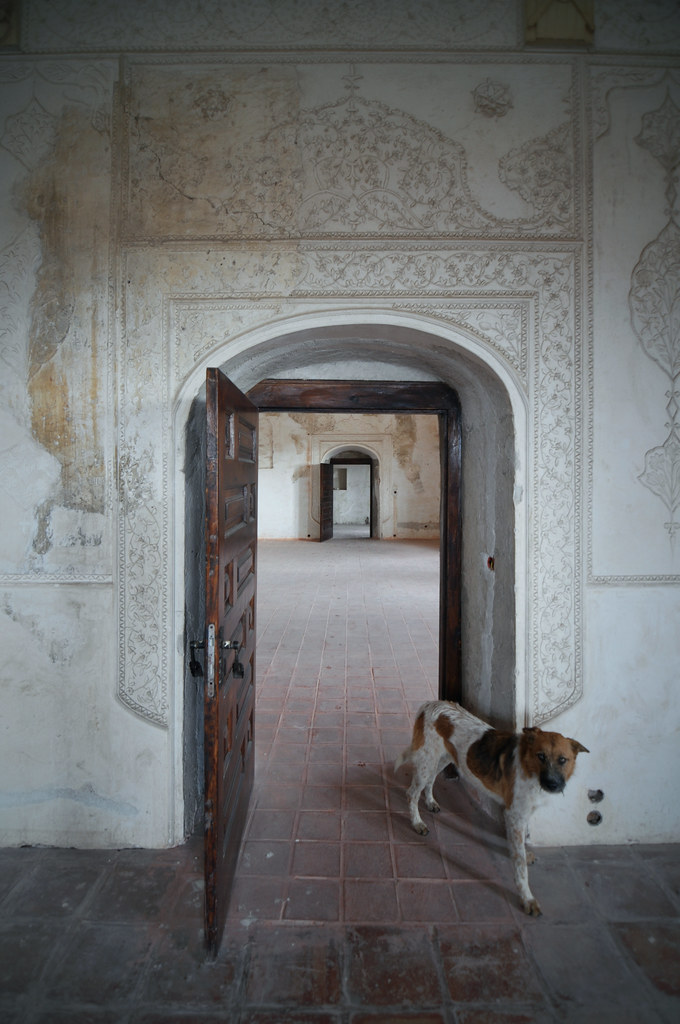
The micro-surprise was how much more ground we covered in terms of quality when I stopped chasing distance. I expected the dogs to act restless if we did not hit our usual half-mile mark, but they were the opposite. They came home and settled into the living room with a heavy, honest stillness that told me everything I needed to know.
I keep a small notebook by the lamp on my reading table to track these changes. It is not a formal log, just a way to see if a shorter, slower dose leads to a quieter hour after the walk. I have found that when I prioritize their recovery over my own need to feel productive, the entire house feels more readable. We do less, but we do it with more intention, and that is a much better way to manage the morning.
Finding the quiet middle
I used to worry that if I did not push for a longer loop around the park, I was failing to provide enough stimulation. Now I look at the hallway rug runner and see a place for a nap instead of a place to pace. When I keep the walk shorter, the house stays quiet. Mabel finds her bed by the radiator, and Walter stretches out on the floor near the kitchen pantry. Even Pickle, who has that restless energy common in older spaniels, seems to settle faster when the outing is measured in minutes rather than miles.
It is a strange relief to realize that my dog does not need a performance. She needs a rhythm that she can actually sustain. When I hang the leash back on the hook by the door, I am no longer checking my watch to see if we hit a specific duration. I am checking the room to see if everyone is breathing in that slow, deep way that signals true comfort.
I keep my notebook on the counter corner, but these days I write less about distance and more about the state of the room after we return. If the house feels settled, I know we found the right dose. It is not about doing less, but about doing the amount that keeps the peace. A walk that leaves my dog feeling more at home in her body is the most ordinary, respectful thing I can offer. That has become my whole rule.