What I used to measure
For a long time, I evaluated the quality of a walk by the distance we covered or the number of new paths we cleared. I kept a tally of our pace in the small notebook that sits by the ceramic dog-bone jar by the coffee maker. I thought that a successful outing required us to be moving with intent, eyes forward, checking off a loop that felt like an accomplishment. If the hound mix who lives with us looked tired, I merely saw that as a sign of a good, hard day.
When I look at the leash hook by the back door now, I realize my old metrics were entirely external. I was performing the role of an active dog owner rather than observing what my seniors actually needed. I did not realize that a long, vigorous walk might be leaving my fosters or my own dogs with cold extremities or a lingering, unquiet agitation. I was measuring the performance of the walk, not the physiological cost it extracted from their bodies after we came back inside. It is a subtle shift, but it has changed how I hold the leash and how I watch their breathing once we return to the kitchen.
The tactile difference
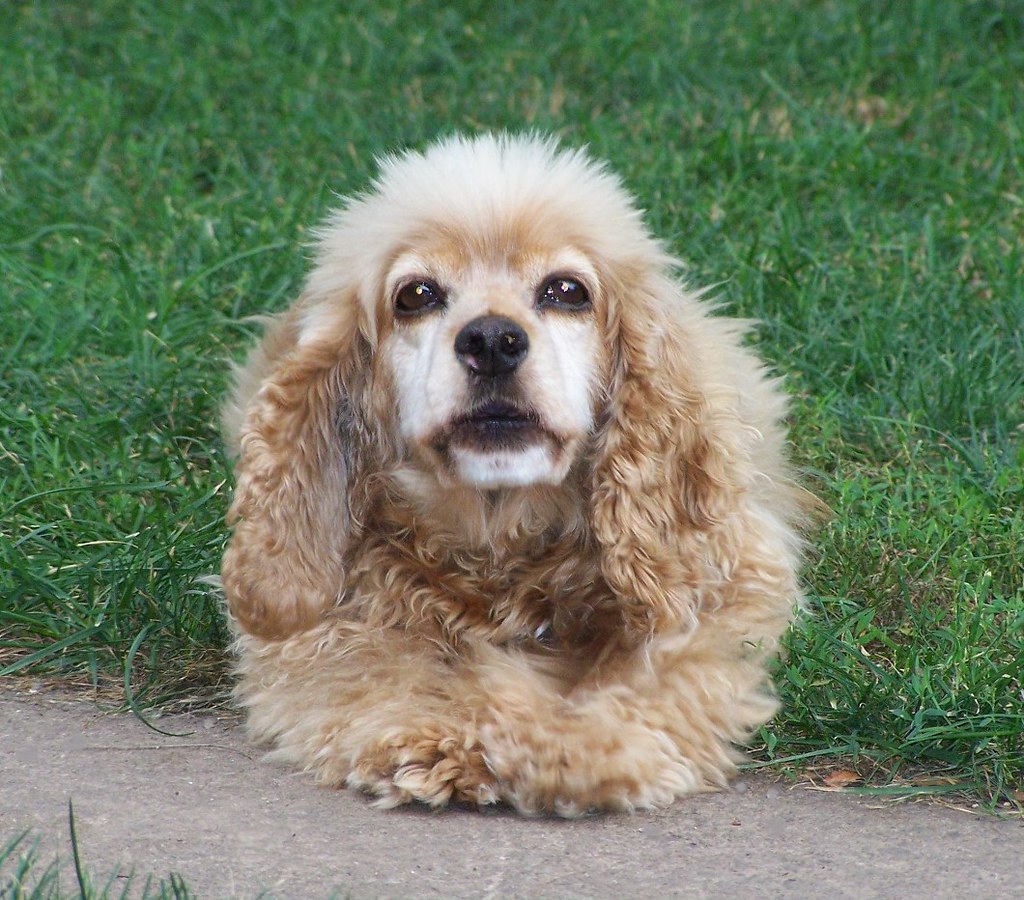
I remember a morning three weeks ago when I brought the senior cocker spaniel who stayed with us for a bit back into the kitchen. I had spent the previous week trying to keep our pace brisk because I thought that would improve his circulation, but it only seemed to make him pant and stagger near the pantry. I tried moving his water bowl to the hallway to encourage movement, but that just left him confused by the rug runner. The real change happened when I stopped looking at the clock and started feeling his ears.
My own fingers were stiff and cold after that walk, and I expected his ears to feel the same way. Instead, I found a surprising warmth that told me his body was working harder than he needed to. When I touch the ceramic dog-bone jar by the coffee maker, I know exactly what cold feels like. That is not what I want for my senior dogs. I want a circulation that feels like a steady, gentle simmer rather than a frantic boil.

I started to use my hand as the primary sensor when we returned to the back door. If the ears are icy, I know we moved too fast or stayed out too long for his current state. If they are overly hot, I know the exertion pushed him past his comfort zone. It is a simple, analog way to track what is happening inside the dog. I do not need a fancy monitor on the kitchen counter to tell me if the walk was successful. I only need to feel the difference between a cold-hand walk and one that leaves us both feeling balanced. It is a much quieter way to measure a morning.
Adjusting the rhythm
I tried extending our loop through the park last autumn, thinking a longer route would keep the blood moving better for the older dogs. It was a mistake. By the time we reached the hallway runner rug, the terrier mix was dragging her back toes and the hound mix was panting in a way that told me he had worked too hard. I had mistaken distance for circulation. I learned that for a senior, the quality of the movement matters more than the mileage.
Three weeks ago, I shifted our approach to favor shorter, more frequent movements. Instead of one long outing that leaves everyone exhausted near the kitchen pantry, we break the day into three smaller sessions. I expected the foster to be restless with the reduced time outside, but he was the opposite. He started sleeping more soundly on the rug by the reading chair. He seems to prefer the rhythm of a quick sniff-and-stretch over the long, draining slog of a traditional walk.
Now, our routine centers on what I see when we get back to the leash hook by the door. If the dogs are calm and their ears are soft, I know we found the right dose for that day. It is not about reaching the end of the block or hitting a specific number of minutes. It is about how they settle onto the kitchen floorboards after the leash comes off. A readable walk is one that leaves them ready for a nap, not one that leaves them struggling to recover their breath.
A quieter way to move
When I hang the leash on the hook by the back door, I look for the settle. If the terrier mix or the hound mix or the foster can find their way to the rug runner without a frantic lap around the kitchen, I know the walk was the right size. It is not about how far we went or how fast the pace felt while we were on the sidewalk. It is about the way the house feels when we come back inside.
I used to think a long, taxing walk was the only way to earn a quiet evening. Now I see that a walk which leaves a dog feeling scattered is just a debt I have to pay back later. I prefer the version where we walk until the rhythm feels steady, and then we stop. The radiator hums in the corner, and the dogs find their spots on the floor. I sit in my reading chair with my notebook, watching the way their breathing slows down. A walk that leaves everyone feeling more at home in their own skin is the most respectful way to move. It is ordinary, and it is quieter.