
The kitchen feels different when the sun dips below the horizon. I notice it first by the ceramic dog-bone jar by the coffee maker, which suddenly seems to hold a shadow that was not there during the bright morning hours. Mabel shifts her weight, looking toward the pantry with a clouded focus, while the foster I have this month stands by the back door as if he expects to be let out into a yard he already visited ten minutes ago. It is not a loud display. There is no barking, no pacing, just a quiet drift into a state of uncertainty that seems to settle over the house like dust.
Walter remains sound asleep on the rug runner, his breathing steady and untroubled. He acts as my anchor, proving that the room has not actually changed its shape or its scent. Yet, for the older dogs in my care, the transition from afternoon to evening is not a simple matter of losing the light. It is a moment where the internal map they use to navigate the hallway starts to blur. I used to think this was just a habit of old age, a preference for napping, but watching the way their eyes search the kitchen cabinets tells me there is something more specific happening under the surface. I see the hesitation, and I know I need to find a way to make the house feel more readable for them before the full dark arrives.
What the pacing actually says
I remember the first time I saw Mabel pace in the kitchen three weeks ago. My initial instinct was to assume she was restless because she needed a longer walk or perhaps a different dinner schedule. I tried changing her evening meal time to see if that would settle her, but it only made the confusion more pronounced as the house lights dimmed. I expected her to be simply bored, but the micro-surprise was how she moved; she was not looking for a toy or a snack, but was instead tracing the same path between the refrigerator and the back door as if she were searching for a door that was no longer there.
This evening pacing is a specific, readable marker of cognitive health that requires environmental support rather than behavioral correction. When I see her do this, I do not scold her or try to distract her with a ball. I have learned that this behavior is not a performance or a protest. It is a sign that the internal map she uses to navigate our home is flickering. She is not being difficult; she is being disoriented.
The pacing is a request for a more predictable environment. I now keep a soft lamp near the reading chair turned on well before sunset, which helps keep the shadows from shifting too abruptly across the floor. By providing more consistent light, I am not trying to fix her brain, but I am trying to make the hallway less of a mystery. I also make sure the rug runner in the kitchen is perfectly flat so that she does not trip when her focus drifts. I do not look at her pacing as a behavioral problem to be managed. I look at it as a signal that the world has become slightly harder for her to read, and it is my job to make the pages easier to turn.
The shift from correction to support
I used to think that evening pacing was a stubborn habit I could train away with the right firm tone. Three weeks ago, when the senior foster I have from Grey Whiskers Rescue started circling the pantry door every night at eight, I tried to interrupt him with a treat and a gentle word. I thought a redirection would reset his focus, but it only made his agitation climb until he was panting against the radiator. My first instinct was to correct the behavior, yet that approach ignored the reality of his scrambled internal clock. I was treating a neurological glitch as if it were a minor disobedience.
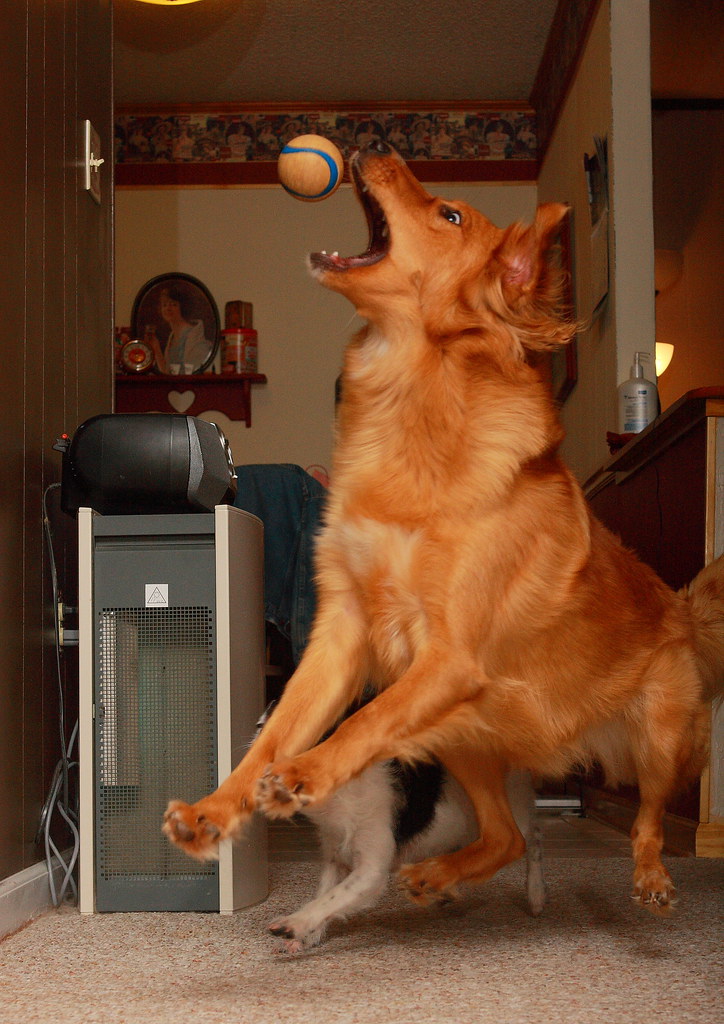
The micro-surprise happened when I stopped trying to stop him. I expected him to be restless for hours, but once I simply placed a soft, non-slip rug runner in the hallway to give his aging paws better traction, he stopped his frantic circling within minutes. He did not need a correction; he needed a more stable surface to map his movement. That was the moment I realized the evening confusion was not a performance to be managed, but a physical indicator of his fading environmental map.
I now look at the rug runner differently, as a piece of essential infrastructure rather than just floor décor. When Mabel walks the same path, she seems to find her way toward the kitchen rug with less hesitation now that the floor is less disorienting. Moving from correction to support has turned my evenings from a battle of wills into a much quieter, more respectful coordination of space and movement.
Making the house readable at night
Three weeks ago, I tried leaving the overhead kitchen light on until midnight, thinking the extra brightness would help the foster navigate the dark hallway. I expected him to settle faster; instead, he paced the rug runner for an hour, his eyes wide and unfocused. That micro-surprise shifted my thinking. I realized that for a senior dog, more light is not always better if it confuses the rhythm of the house. Now, I keep the space dimmer as the evening winds down. I rely on the warm glow from the lamp by the reading chair to provide a single, steady anchor point in the room.
When Mabel or the others move from the kitchen to the living area, they do not need a flood of artificial light. They need a consistent, readable environment that does not change its shape when the sun goes down. I have learned to leave the path to the back door clear of clutter so that even if they are feeling a bit lost, their feet find the familiar floorboards without a struggle. It is not about fixing their confusion, but about making the room quiet enough for them to find their own way back to a nap.
A quieter way to hold the evening
Watching the foster navigate the kitchen rug runner after the sun goes down is a reminder that his confusion is not a behavior to fix. It is a signal that his internal map is losing its sharp edges. I keep the lamp by my reading chair dimmed low, which seems to help him find his way back to his bed without the sharp contrast of shadows. When I see him pause by the back door, I do not rush to correct him or offer a command. I simply wait until he finds his own path again. This is how I manage the house now, by prioritizing comfort over rigid expectations. It is a softer, more respectful way to live with a senior dog who is simply trying to find his footing in the dark.
The house feels ordinary and quiet, which is exactly how I want it to be.
What evening confusion looked like here
The thing about sundown confusion is that the house does not look dramatically different to us. It just gets a little less crisp. A shadow stretches across the floor. The hallway feels longer. The kitchen sounds sharper because dinner is happening. For a dog already working a little harder to stay oriented, that small shift can matter a lot.
I started seeing the same cluster around dusk: more wandering, more pausing in thresholds, more standing in the wrong place waiting for the right thing. Not every evening. Not enough to look obvious from the outside. But enough that I began treating dusk as a real transition instead of just the background portion of the day.
What helped most was respecting that transition. I turned on the same lamp early, not late. I stopped stacking errands into the pre-dinner hour. I made the last walk simpler. I tried to let evening narrow instead of widen. The result was a dog who often looked less like she was bracing for the house and more like she could read it again.
Why I still write dusk down separately
Evening tells the truth about overload. If a dog can hold herself together all day and then gets visibly more uncertain after sundown, that is useful information. It does not mean the whole day was fine. It might mean the whole day cost more than it looked like.
My dusk checklist now
- Turn on the same warm lamp before the room feels murky.
- Keep dinner timing boring and predictable.
- Do not stack one more errand into the pre-bed window.
- Notice whether pacing looks purposeful or uncertain.
- Write down if the dog seems less able to read familiar thresholds.
That checklist is why I finally wrote my evening confusion checklist. I wanted one place to keep the questions I ask every time dusk starts telling me the day cost more than I thought.