The rhythm of the first ten minutes
The floorboards in the kitchen always give a soft, familiar groan under my weight before the sun has fully cleared the fence line. My routine starts with the same mechanical motions: the click of the kettle, the rattle of the ceramic dog-bone jar by the coffee maker, and the slow reach for my notebook. I do not look for anything specific at this hour. I look for the way the air feels between us. I watch how Pickle moves toward the back door, his gait a little stiffer than it was yesterday, and how Walter offers his usual enthusiastic nudge against my thigh.

Mabel stays near the rug runner, pausing to blink at the shadows near the pantry. It is not that she is confused, but the morning sequence is a little less fluid than it used to be. I write down these details because they are the fragments that eventually form a picture. I do not analyze them while the coffee is brewing. I simply hold the space for them to exist. By the time I pour the water, I have a mental map of who is walking clearly and who is navigating a slightly different internal geography today. These first ten minutes are not about solving problems. They are about ensuring I am awake enough to see the world as my dogs currently experience it.
What I watch for in the morning light
Three weeks ago, I tried to track their morning movement by setting up a camera in the hallway, but it provided too much data and not enough clarity. I expected to see a clear sequence of waking, but the footage was just chaotic shadow. I learned that the most useful information is not found in a recording, but in the sound of nails on the floorboards as they navigate the house. Now, I simply listen while the kettle warms. I listen for the familiar cadence of the hound mix who lives with us, followed by the slightly slower, more deliberate gait of the terrier mix. If the rhythm is steady, I know the night was restful.
The rug runner in the hallway is my primary sensor. When the terrier mix walks across it, her paws should land with a soft, confident thud. If I hear a stumble or a hesitation, I know her balance is off before she even reaches the kitchen. I look for the way she approaches her water bowl near the pantry. If she circles it twice or stares at the corner of the wall instead of the bowl, I note the confusion in my notebook. It is a small, quiet data point, but it tells me if I need to move the rug or clear the path for the rest of the day.
The foster senior, a cocker spaniel named Pickle, has provided a micro-surprise in these early moments. I expected him to be the most anxious about the morning routine, but he is the one who waits most patiently by the back door. He does not pace or whine. He simply stands there, watching the light change on the kitchen floor, while the others attend to their bowls. Watching him has changed how I view the others. I used to think the pacing of the terrier mix was a sign of hunger, but now I see it is often a sign of needing to re-orient herself to the room. I do not fix it with more food; I fix it with a calm, low voice that helps her find her way to the mat.
The subtle shifts in the kitchen
Last Tuesday morning, I tried to change the placement of the water bowls near the pantry door to see if it would encourage more movement. I assumed that placing the water closer to the high-traffic zone would act as a gentle nudge for Pickle to stay engaged with the household rhythm. I was wrong. The move only caused a moment of confusion for him, and he ended up standing in the hallway, looking at the empty spot where the bowl used to sit. It was a clear reminder that for a senior dog, predictability is often the kindest form of infrastructure.
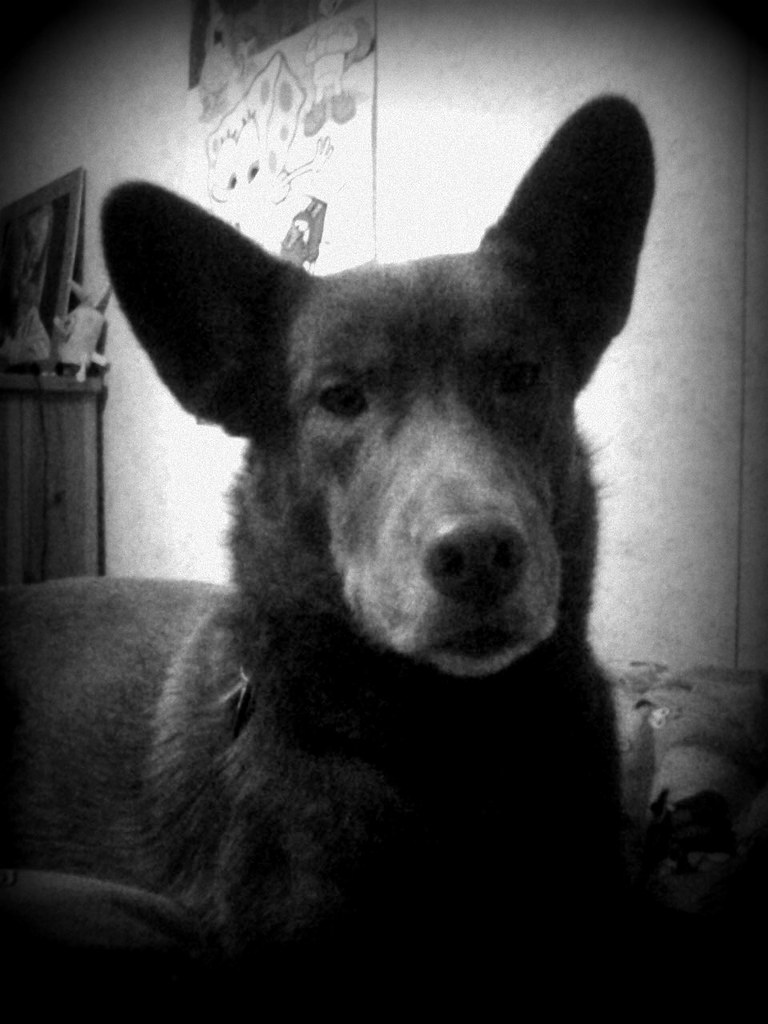
The micro-surprise of that morning was how quickly Mabel navigated around the displaced bowl to reach her own spot by the back door. She did not even blink. I expected her to mirror the uncertainty of the foster dog, yet she moved with a quiet, practiced grace that suggested her internal map of the kitchen remains sharp, even when the external reality shifts. I noticed that my monitoring is not just about catching decline, but about noticing the different ways they hold onto their world.
I now keep a small notebook on the counter corner near the coffee maker. I write down the small things, like how many times Pickle pauses at the pantry door before deciding to follow the others. These notes are not clinical, but they are readable. They show me the difference between a bad day and a changing baseline. That is the only inventory I need before the morning coffee is poured.
Why I keep the notebook close
I used to think that keeping a strict log on the kitchen counter was a way to predict the future, but that was a mistake. Last Tuesday morning, I tried to track every single movement Pickle made near the back door, and I only ended up feeling more anxious. I realized that my obsession with the data was actually making the kitchen feel less like a home and more like a laboratory. It did not help the dogs at all.
Now, I use my notebook differently. I keep it by the coffee maker not to capture every breath, but to notice the textures of our days. I had a micro-surprise when I stopped recording every step; I actually started seeing the patterns more clearly. I noticed that when Mabel lingers by the pantry, she is not confused, she is just waiting for the morning sun to hit the rug runner. The notebook is not a diagnostic tool for me. It is a way to keep my own observations grounded in the ordinary, so I can stay present for the dogs instead of worrying about the next potential shift.
A readable start to the day
I do not think a home observer needs to become a diagnostician to be useful. I do think we can become more respectful of the context we see in our own kitchens. When I stand by the coffee maker and watch Mabel navigate the rug runner, I am looking for the texture of her morning. It is not about catching a failure. It is about honoring the small, ordinary shifts that happen before the sun is fully up.
Pickle usually waits by the back door while Walter checks the pantry for any sign of breakfast. These are the quiet, boring patterns that keep my house feeling like a home. A pattern of soft signs is worth more to me than one dramatic event, because a pattern makes the day feel much more readable.