
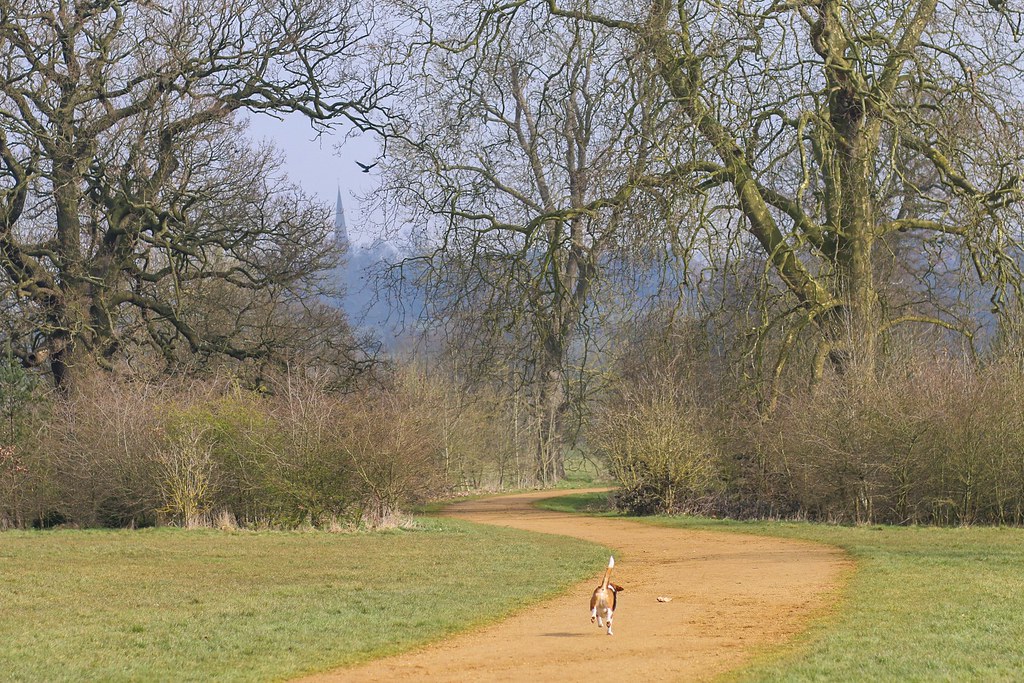
What the morning tells me
The morning transition is rarely as seamless as people imagine. I stand in my kitchen, waiting for the kettle to hum, and watch the slow, rhythmic movement of three dogs navigating the rug runner toward the back door. Mabel leads, then Walter, then Pickle, the new senior cocker spaniel who arrived last week. I keep my hand on the ceramic dog-bone jar by the coffee maker while I count the steps they take.
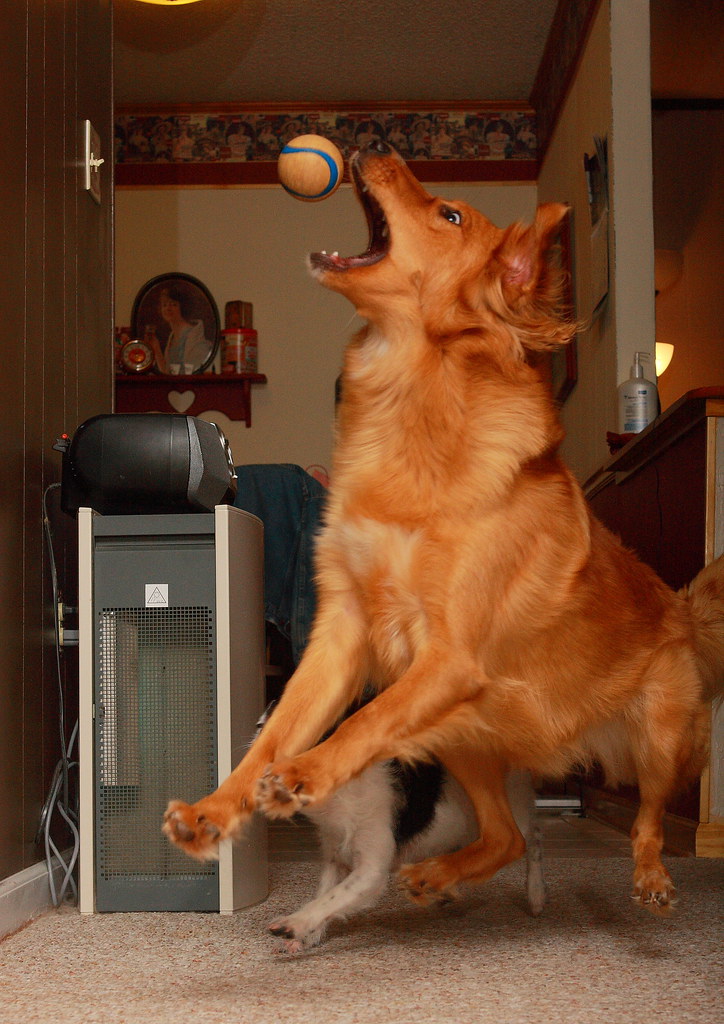
Some mornings, the pace is steady. Other mornings, Mabel lingers near the pantry, staring at the floorboards as if she forgot why she walked into the room. It is not a dramatic event, but it creates a ripple in the morning. I do not see these quiet, flickering moments in the afternoon. Only the first hour after the house wakes up shows me exactly how much mental weight they carry into the day.
Watching for the small shifts
I used to think that the morning walk was just about movement, but I have learned to watch the rug runner in the hallway for much more than that. Last Tuesday morning, I tried to introduce a new, longer route to keep the dogs engaged, but it just made Pickle stand perfectly still and stare at the wall. I expected him to be excited by the change; instead, he seemed to lose his internal map entirely. That micro-surprise changed how I approach our first hour.
Now, I pay attention to the social interaction between the three of them before we even touch the leash hook. If Mabel does not greet the hound mix when he stretches by the radiator, or if Pickle hesitates to follow the others toward the back door, I take note in my notebook. It is not about the walk itself anymore. It is about whether they can navigate the transition from sleep to activity without that tiny, invisible flicker of confusion. Watching for these small shifts helps me keep the rest of the day feeling predictable and safe for all of them.
Moving past the vague descriptions
I spent too many months writing "she seemed off" in my notebook whenever Mabel lingered too long by the back door. I tried moving her water bowl to the center of the kitchen floor, thinking the location change would spark some clarity, but it just made her pace in tighter, more anxious circles. It was not a lack of training or a personality quirk. It was a failure of my own vocabulary. I wanted a simple explanation, so I settled for "aging" and kept the kettle boiling while I watched her drift.

Three weeks ago, I finally stopped using those fuzzy, emotional labels and started tracking specific, readable actions. I expected Pickle to be the one needing extra guidance, but the micro-surprise was how clearly he settled into the routine while Mabel stood confused by the pantry.
Now, when she pauses by the hallway rug runner, I do not assume she is being stubborn. I look for the physical disruption. I look for the gap in the morning rhythm. I keep my notebook open on the counter corner, not to record her moods, but to map the actual, boring sequence of her movement.
Keeping the house readable
Three weeks ago, I tried moving the water bowl closer to the pantry, thinking it would help Pickle find his way during the night. I expected him to settle faster, but he just paced the hallway until the sun came up. It was a micro-surprise to see how much he relied on the specific geometry of the kitchen floor, even when his eyes were not seeing clearly. Now, I keep the layout exactly as it was. I make sure the back door is clear of shoes and the leash hook by the door has the same harness hanging in the same spot. By keeping the physical environment boring and consistent, I allow the house to stay readable for him. It is not about fixing the confusion; it is about making the daily path ordinary enough to navigate without panic.
A quieter way to watch
I keep my notebook on the kitchen counter near the coffee maker, tucked under a stack of mail. When the sun hits the floorboards by the back door, I see how Pickle navigates the space between the rug runner and the kitchen island. He is slower than he was last month, but he is still finding his way to his food bowl without needing me to guide him. Mabel and Walter are usually waiting by the pantry, their own rhythm steady and predictable. Watching them move through the morning is not about finding a catastrophe. It is about keeping the house readable so I can see the small changes before they become heavy. That is how I keep my own days ordinary and quiet.