What I noticed first
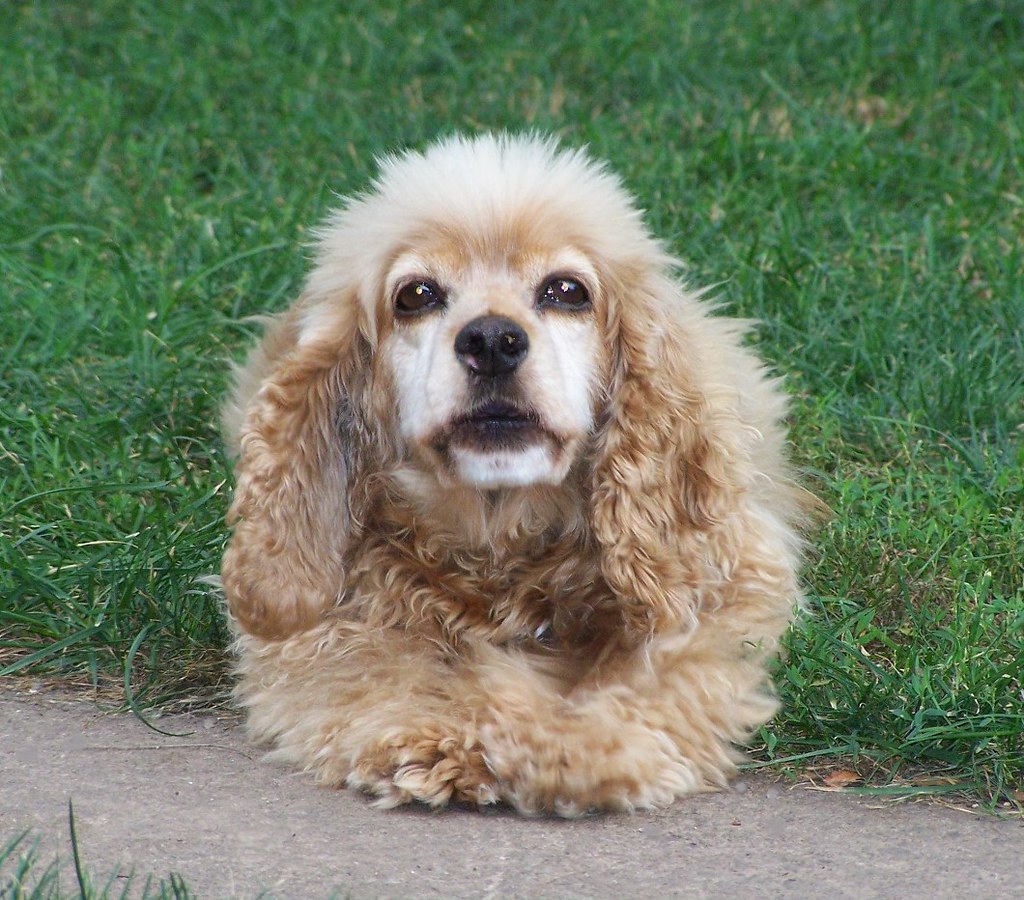
The kitchen floor feels like the center of my world every morning. I reach for the ceramic dog-bone jar by the coffee maker, listening for the familiar click of nails on the linoleum. Mabel stops near the pantry, her head tilted, looking at the door as if she forgot why she walked into the room. It is a tiny, fleeting pause. She does not look distressed. She just looks disconnected for a second, her eyes scanning the shadows near the baseboards.
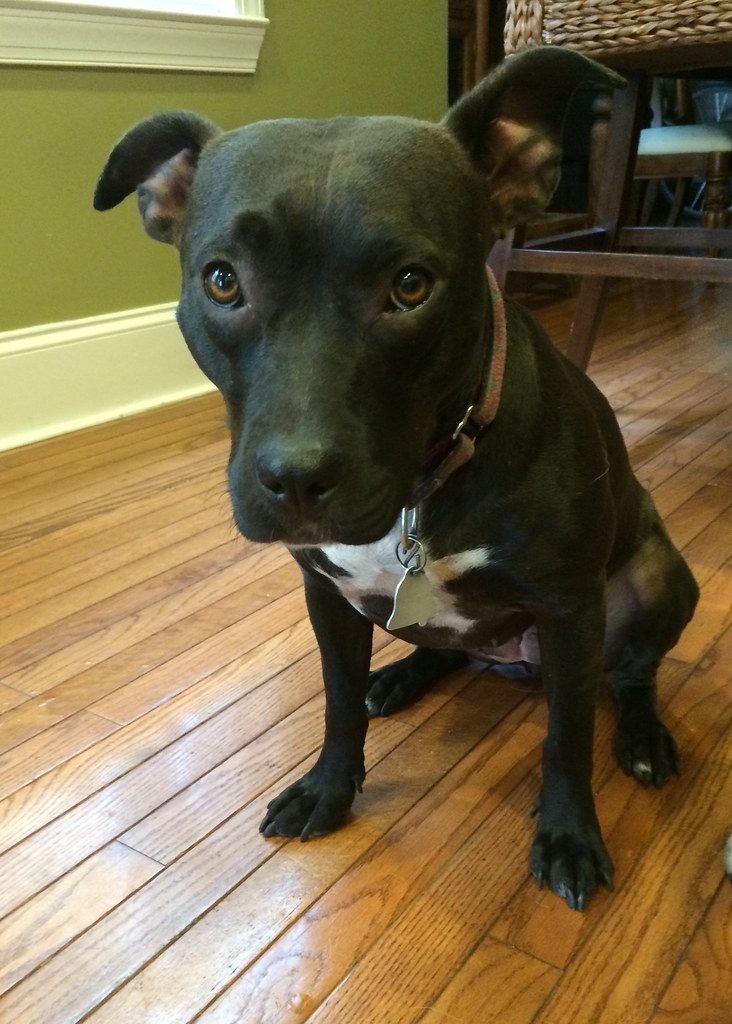
Walter nudges my leg, waiting for his breakfast, while the foster snores softly on the rug runner. I have spent years waiting for a catastrophe, yet the real changes arrive in these small, silent gaps.
Why I stopped waiting for the loud moments
I spent a long time waiting for a signal that never arrived. Three weeks ago, I sat on the rug runner in the hallway and stared at the baseboards, expecting some grand, cinematic shift in how my dogs moved through the house. I thought that if something was wrong, it would announce itself with a loud noise or a sudden crisis. I kept my eyes on the pantry door, convinced that a major decline would look like a collapsing wall.
That was the mistake. I tried waiting for a dramatic event to justify my growing worry, but the only thing that happened was a deepening, quiet fatigue in my own chest. The loud moments I feared did not exist. Instead, the foster stood by the radiator and stared at the wall for a full minute, and Mabel simply missed her turn toward the kitchen. No howling. No collapse. No emergency.
The micro-surprise was that the silence was the signal. I expected a thunderstorm and I received a low, steady hum of disorientation. My initial instinct to wait for a catastrophe meant I missed the subtle, messy reality of a senior dog losing his grip on the ordinary. Once I stopped waiting for the drama, the space in the hallway felt less like a waiting room and more like a place to start paying attention.
The notebook as a quiet witness
Three weeks ago, I tried keeping a complex spreadsheet on my laptop to track every shift in behavior, but the screen felt too cold and distant for the kitchen, so I tossed that idea aside. I returned to my paper notebook, the one with the frayed corners that sits permanently by the fruit bowl. It is a simple tool, but it captures the rhythm of our mornings in a way that feels honest. I write down the small things: the time of the first stretch, the way the light hits the rug runner, and the specific sequence of their movements.

I expected the documentation to make me feel anxious, but the micro-surprise was that it actually calmed me down. I started to notice patterns I had previously ignored while standing by the coffee maker. I heard the sound of nails on the kitchen floor, a light, rhythmic clicking that told me the dogs were navigating the space with more confidence than I had assumed. When I stopped waiting for a loud, dramatic collapse and started watching the way they circled the radiator before settling, the day felt much more readable. The notebook does not solve the problems, but it keeps me from guessing, and that is enough for now.
How I changed the rhythm of my house
Last Tuesday morning, I stood by the kitchen counter and watched the foster struggle to navigate the rug runner. I had spent weeks waiting for a dramatic sign—a collapse or a loud, wandering night—before I would decide to change our routine. I thought buying a new, expensive orthopedic bed for the corner would help, but it only made him more anxious because he could not find his usual spot near the radiator. That failure felt like a heavy weight in my chest. I realized then that I was waiting for a crisis that might never arrive in the way I expected.
I decided instead to look at the small, boring habits that define our day. I stopped focusing on the big, scary milestones and started tracking the tiny, half-inch shifts in how they move from the pantry to the back door. I moved the leash hook by the back door a few inches lower so I could grab the leashes without fumbling while my hands were full of bowls. I started using a small notebook to mark when Mabel hesitated before she stepped onto the patio. It was a micro-surprise to see how much more readable the house became when I stopped looking for disasters and started looking for patterns.
I began to clear the hallway of the extra shoes and the heavy floor lamp that I had been tripping over for months. It was not a grand gesture. It was just a quiet adjustment to the physical space of the kitchen and the mudroom. I stopped waiting for the future to arrive and started making the present a little easier to walk through. The goal was never to fix a problem, but to create a space where the dogs did not have to work so hard to exist.
Moving through the middle
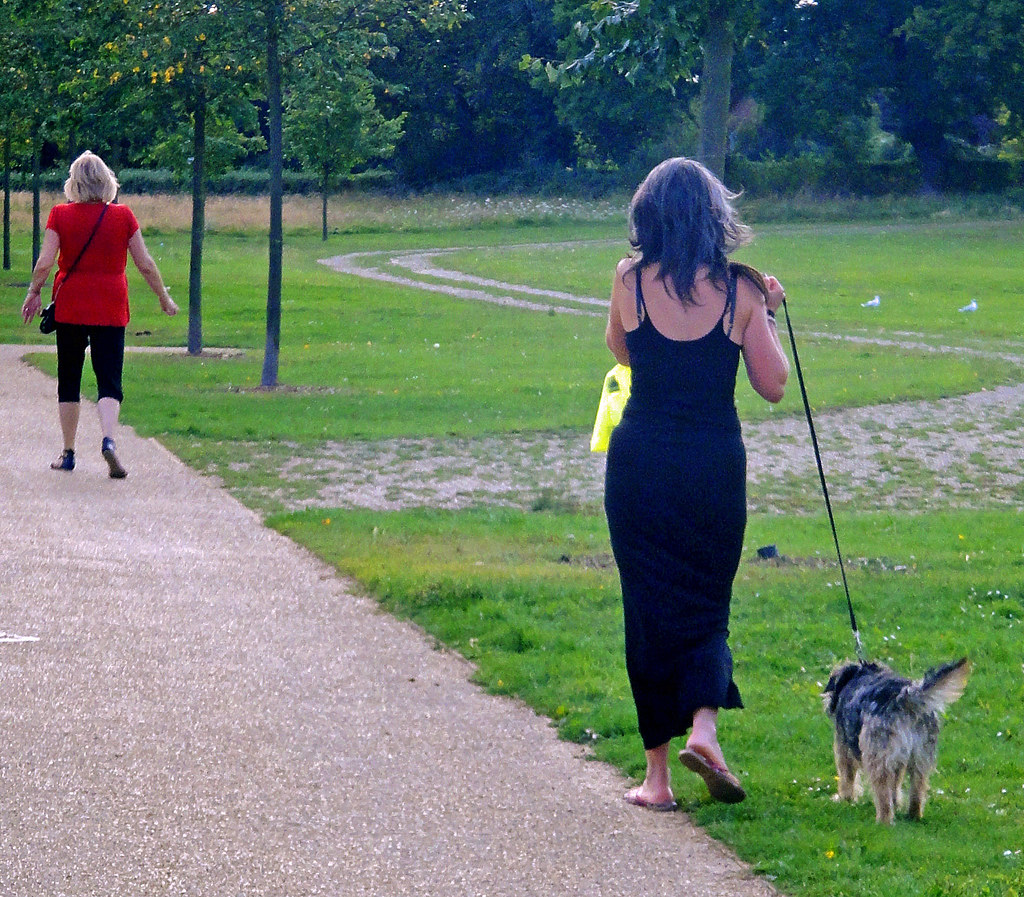
I watch Mabel stand by the back door, her nose twitching at a scent I cannot catch. She does not look lost, and she does not look confused. She just looks like a dog who is deciding which patch of grass to inspect next. Walter is already waiting by the leash hook, his tail thumping against the pantry cabinet in a slow, rhythmic beat. The foster is curled on the rug runner, snoring softly as the morning light hits the kitchen floor.
There is no grand shift in how I view their aging now. I do not look for the big, cinematic moments of change anymore because I am too busy watching the way the light hits the dog bowl or the way Mabel shifts her weight near the coffee maker. It is quieter this way. I keep my notebook on the counter corner, ready for the small, ordinary things that happen between the morning coffee and the evening quiet. The house feels more readable when I stay in the middle. It is just a softer way to be.
The order I changed things in
I started with the environment because it was the lowest-friction win. Clearer pathways. Fewer visual surprises by the doors. A small lamp before dusk. Water and beds kept in the exact same positions. Those changes were not glamorous, but they lowered the amount of interpretation the house demanded from her.
Then I worked on rhythm. Breakfast earlier. Walk a little earlier. Evenings less "let us see how the day goes" and more "let us glide toward bedtime like grown women." That alone softened the jagged edges of the day. Dogs do not need every hour choreographed, but older dogs often seem to love knowing what kind of hour this is.
Only after that did I start deciding which supportive extras belonged in the routine. I wanted anything I kept to feel boring in the best possible way. If it required too much ceremony, I knew I would not stay consistent. That is where NeuroChew stayed. I could give it without turning my kitchen into a supplement showroom, and that mattered to me more than a dramatic promise ever could.
The changes I could actually see
What improved first was not a symptom chart. It was the atmosphere around her. Less hovering. Less aimless drift after dark. More direct movement toward familiar places. A calmer look in her body after walks. Those are the kinds of changes I trust most because they show up in the texture of a day instead of in a one-off good hour.
I also became much less all-or-nothing in my expectations. Better did not mean perfect. Better meant more easy minutes than before. Better meant the house asking less from her. Better meant my own routines becoming steadier and kinder. Once I understood that, progress stopped feeling abstract and started feeling visible.
The research part that changed my standards
That changed my standards as a caregiver. I stopped judging whether something sounded dramatic and started asking whether it reduced friction, improved recovery, or made the day more legible. That is a much better question in a senior-dog house than "Does this feel impressive enough to count?"
If you are building your own version of this, I would read this one alongside my routine post and the circulation walk post. The real story is how the pieces fit together, not how any single piece sounds in isolation.