The quiet version of a busy day
I do not believe in loud events for senior dogs who spent years in a crate. When I bring a foster like Pickle to a meet-and-greet, I prefer the edges of the room. I stand near the ceramic dog-bone jar by the coffee maker if we are at a volunteer's kitchen, or I stay close to the exit. Most people want to rush in to pet a dog, but Pickle needs the space to decide if he wants to be touched. I keep my hand on the leash hook by the door even when we are inside, just to remind myself that we can leave at any moment if his tail starts to tuck.
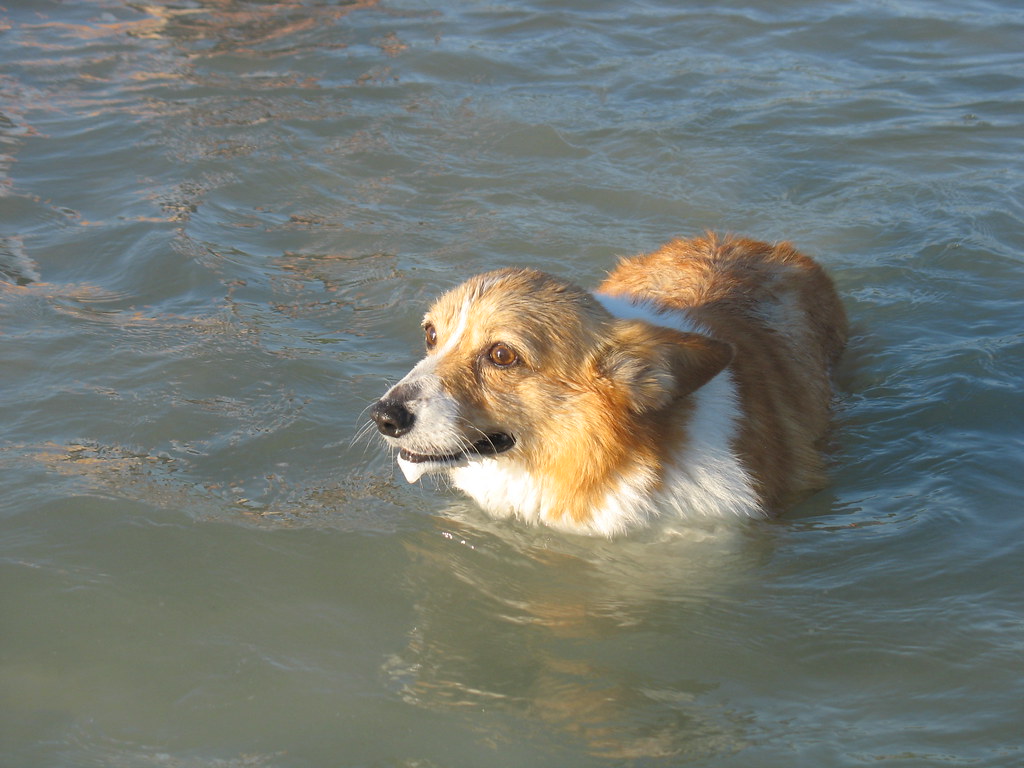
Mabel and Walter seem to understand this rhythm well. When I have a foster dog, Mabel usually moves to the rug runner near the kitchen pantry to watch the action from a safe distance. She knows that a calm house is a readable house. I do not ask for a performance from any of them. If the day gets chaotic, I simply pick up the leash and we go home to the silence of our own hallway. That is the only version of an event that I trust.
Why I look for the slow moments
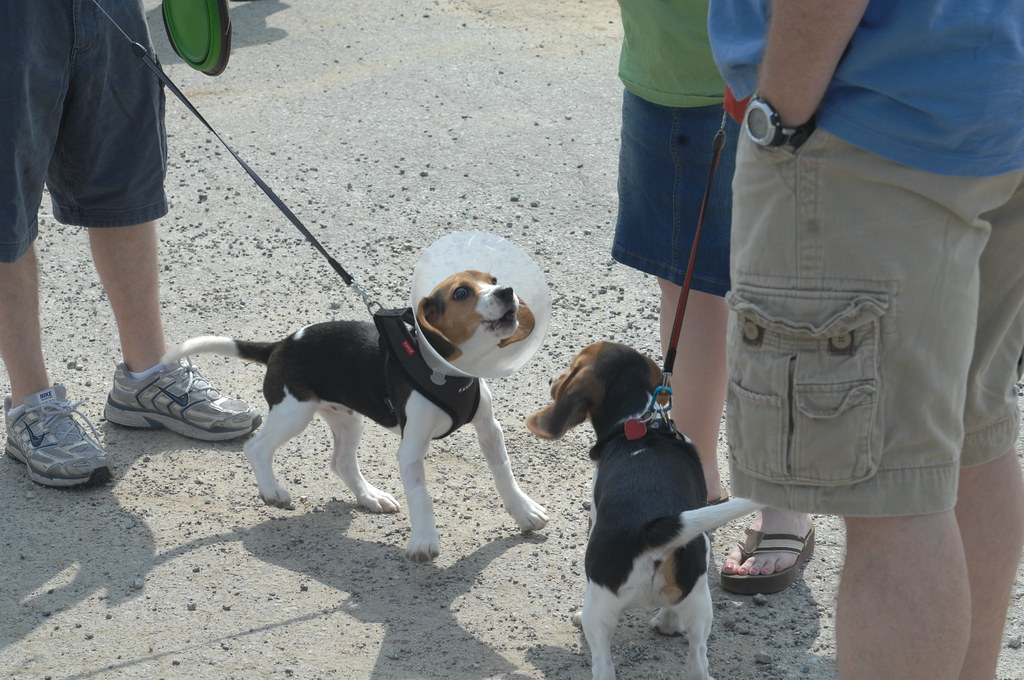
I remember that Tuesday morning when I brought Pickle the cocker spaniel to his first public outing with Grey Whiskers Rescue. I tried to prepare him by bringing his favorite blanket and a stash of treats, thinking the familiarity would anchor him. Instead, the blanket just became a tripping hazard in the crowded aisle, and the treats only served to make him frantic near the other dogs. I expected him to be overwhelmed and shut down, yet he was the opposite. He found a quiet patch of sun near the radiator and simply watched the world go by with a steady, calm gaze.
That micro-surprise shifted how I handle these events now. I keep my notebook tucked in my bag, ready to jot down the moments when a dog chooses stillness over the chaos of a busy room. It is not about the performance of a dog who walks perfectly on a leash or sits on command for a crowd. It is about the dog who can find their own center when the noise rises.
Watching Pickle settle by the radiator showed me that the most readable dogs are often the ones who know how to pause. I no longer worry about how many people notice them or how many tricks they know. I watch for the dog who can breathe, observe, and wait. When I see that, I know the household they eventually join will be a little quieter for it. My job is not to manage the dog, but to make sure I am paying attention to the signals they are already sending me.
What the dogs actually need
I remember the week after the storm, when the rescue center was damp and loud. I tried moving the dog beds to the center of the room to create a communal space, but it just made the seniors pace in tighter circles. I expected them to want company; they actually wanted a corner. The micro-surprise was seeing how quickly they settled once I gave them a wall to lean against. It turns out that a dog does not need a party to feel secure.
When I bring a new foster like Pickle home, I do not expect him to perform. I watch him navigate the rug runner in the hallway, his paws clicking against the hardwood in that familiar, rhythmic way. He stops to sniff the baseboard near the kitchen pantry, and I let him take his time. If he wants to sleep under the radiator for three hours, I let him sleep. My goal is not to have a dog who greets every visitor with a wag, but a dog who knows where his water bowl sits and feels safe enough to close his eyes.
Mabel usually watches from the kitchen doorway while Walter naps on the rug by the reading chair. They are the baseline for what a quiet, predictable life looks like. I find that when I stop trying to manage the atmosphere and start simply existing within it, the dogs follow my lead. It is a slower way to do things, but it is much more respectful of the space they are trying to reclaim.
The ordinary grace of a match
I often look at the empty space by the back door where a foster dog once slept and think about how quiet the house feels when they leave. It is not a hollow quiet. It is the sound of a job done with care, leaving behind only the faint scent of a dog bed on the rug runner and a few stray hairs near the radiator. When I hand over the leash to a new family, I am not looking for a cinematic moment of instant connection. I am looking for the way a person holds the handle, the way they speak to the dog, and whether they remember to check the water bowl in the kitchen before they walk out the door.
There is a specific, muted rhythm to a good adoption that does not rely on noise or fanfare. It relies on the small, boring habits that keep a dog feeling safe. When I watch a senior dog like Pickle settle into a new car, I do not need a grand declaration of love. I only need to see that the new owner understands the value of a slow, predictable routine. That is the only kind of grace that lasts, and it is the kind I see every time a dog finds a place where they can finally rest their head on a familiar rug in the hallway. It is quiet, it is ordinary, and it is respectful.
The atmosphere I hope for
A good event is organized without feeling frantic. Water bowls where they should be. Shade if it is warm. Volunteers who know a dog’s basics well enough to answer simple questions without inventing a personality on the spot. Space for a shy dog to step back instead of being marketed like a limited-time sofa.
I care a lot about how dogs are being read at events. Is a calm dog being overlooked because she is not flashy? Is a stressed dog being described as "super energetic" when she is actually over threshold? The best events, in my opinion, allow honesty. They let the right match feel more important than the fast match.
I also love when there is room for a family to stand quietly for a minute and just watch. You can learn a lot from a dog who has not been interrupted. How does she recover? How does she orient? Does she seek softness? Does she startle and settle, or startle and spiral? Those are valuable details.
A good event leaves both dogs and people feeling more informed than sold to, and I think that is exactly as it should be.