
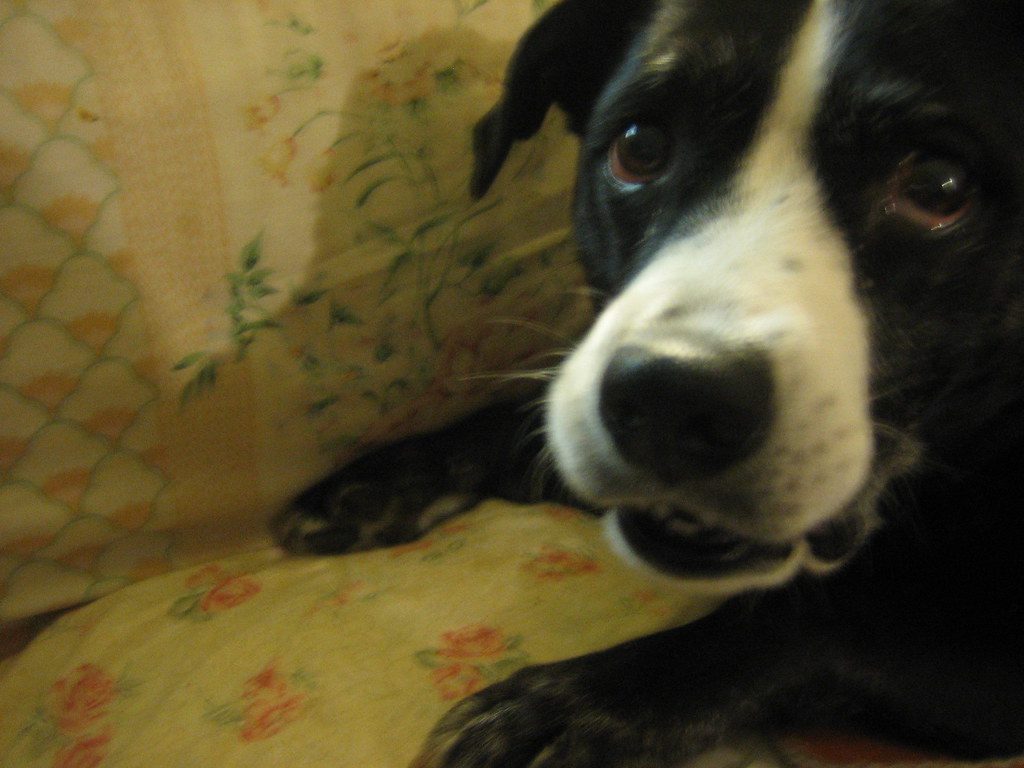
When the routine shifts by an inch
The sound of kibble hitting the ceramic bowl is usually the metronome of my morning, but this week, the rhythm felt off. Mabel stopped midway through her meal, her tail still for a second before she walked to the kitchen rug runner to stare at the pantry door. It was not a refusal of food, exactly. It was a hesitation. She took a few bites, paused, and then looked at the ceramic dog-bone jar on the counter as if she had forgotten why she was standing there.

Walter, by contrast, continued to vacuum his own portion with his usual hound enthusiasm, but the difference between them was stark. I have learned to watch these tiny shifts because they are rarely about the food itself. Sometimes they are about pain, sometimes they are about a brain that is simply feeling a bit more tired than it did last month, and sometimes they are about the environment feeling slightly too bright or too loud. I stood by the coffee maker and watched the hallway, noting that she did not finish the last few pieces. It is the kind of quiet, non-emergency change that keeps me reaching for my notebook, because the body often speaks through these small refusals long before it speaks through a symptom.

Seeing the stack behind the bowl
Three weeks ago, I noticed that Mabel began to approach her ceramic dish with a hesitation I did not recognize. She would stand over the food, nose twitching, but her feet stayed planted on the rug runner as if she were waiting for an invisible signal. My first instinct was to simply change the brand of her kibble, thinking she had grown bored with the flavor, but that did not help. In fact, she became more agitated when I presented a new bowl, turning away from the kitchen counter entirely to pace the length of the hallway.
I expected her to be less interested in food because of a simple preference, but the reality was a micro-surprise. She was not bored; she was confused by the reflection of the overhead light on the stainless steel rim of the dish. When I replaced it with a matte ceramic bowl, she ate immediately.
Walter, on the other hand, remains a steady baseline. He eats with the same enthusiasm he has shown since the day he arrived, his tail thumping against the pantry door. Observing him helps me see the stack behind Mabel’s behavior. It is not just about the food. It is about the sensory environment, the light, the placement of the bowl, and the way her cognitive health fluctuates from one hour to the next.

Pickle, the senior cocker spaniel currently in my care, has shown me that these small appetite shifts are often the first signs of a larger, quieter change. He does not stop eating, but he does start to eat in stages, pausing to look toward the back door before finishing his meal. I watch them all now, noting the timing and the context, keeping my observations in the notebook that sits by the coffee maker. I am not looking for a diagnosis, but I am looking for the pattern that makes their days more readable.
What I watch for in the kitchen
Three weeks ago, I tried elevating the water bowl on a stack of old magazines near the pantry door, thinking it would help with neck strain. It was a failure. The magazines shifted, the water sloshed, and the noise scared the foster, Pickle, so much that he refused to eat near that corner for two days. I expected him to be more comfortable with the height, but the micro-surprise was how much he preferred the stability of the floor. Now, I watch the way Mabel approaches her bowl with much more patience. She does not rush. She stands with the specific posture of a senior dog—weight shifted slightly back, head lowered with a careful, measured focus that tells me she is checking the space before she commits to the meal.

I keep my notebook on the counter corner near the coffee maker, and I write down these small shifts as they happen. If Mabel pauses for an extra second before she touches her kibble, I note it. If Walter walks away from his bowl and then returns, I watch if he is looking for something else in the kitchen or if he is simply resetting his own rhythm. It is not about tracking every single calorie; it is about reading the texture of their appetite. I do not look for perfection. I look for the ordinary cadence of their day. When the approach to the bowl changes, it is rarely the only thing changing, and that is why I keep my notes close while the kettle is on and the house is still waking up.
The value of a quiet baseline
Three weeks ago, I tried elevating the water bowl for the foster, Pickle, because I thought it would help with his neck alignment while eating. It did not help at all. He became more hesitant, staring at the wall instead of the food. I expected him to be more comfortable, but the micro-surprise was that he preferred the floor level, where he could keep his feet planted on the rug runner.
That failure reminded me that my notebook is not just for tracking symptoms. It is for recording the small, ordinary preferences that constitute a baseline. When I hang the leashes on the hook by the door, I am not just clearing the hallway. I am resetting the house to a state where the dogs feel they know what comes next. A predictable environment is the best tool I have for separating a true medical concern from a simple moment of confusion. If I keep the house boring and consistent, the appetite changes that do appear start to stand out against the background. They become readable signals rather than just another day of messy, unpredictable behavior. I do not need a complex system to notice when the rhythm of the kitchen shifts. I just need to be the person who pays attention to the small, quiet details of the morning.
Learning to read the quiet signs
I do not think a home observer needs to become a diagnostician to notice when the rhythm of the kitchen changes. When I see Mabel leave a few kibbles in her ceramic bowl or notice that Walter is suddenly checking the pantry door with more frequency, I simply write it down in my notebook. These small shifts are not always signals of a crisis, yet they are pieces of data that live in the same space as my coffee maker and the rug runner.
Watching the way a dog approaches a meal is just one way to keep the household readable. I find that when I pay attention to these ordinary moments, the entire house feels a bit more stable. It is a quieter way to live, and for me, that is enough.
The difference between not hungry and not settled
Sometimes a dog is simply less hungry. That happens. What catches my attention more is the dog who wants the meal but seems slower to organize herself around it. She approaches, pauses, looks around, then eats. Or she needs a little extra cueing to connect the idea of breakfast with the physical bowl in front of her.
I also notice whether appetite changes travel with other changes. More wandering. More evening confusion. Less smooth recovery after walks. Appetite becomes a much more useful clue when it is allowed to sit beside the rest of the day instead of being asked to explain everything by itself.
The reason I do not ignore the small shifts is that they are often polite. They do not create a dramatic refusal scene. They just tell you, in a softer voice, that something about the dog’s internal day is feeling different. I have learned to respect that voice.