When the routine hits a snag
The kitchen floor lighting shifts in late afternoon, casting long, thin rectangles across the linoleum near the refrigerator. This is when the hunger hits, and when the rhythm of my house usually settles into a predictable, sturdy cadence. I hear the familiar, dry clatter of kibble hitting the ceramic bowl, a sound that has meant safety and home for years. Yet, lately, the rhythm breaks. Instead of diving in, a dog might pause. They stand there, looking at the ceramic dish, their nose twitching just an inch away from the surface. It is a moment of hesitation that did not exist a year ago.

I find myself watching these pauses from the corner of the room, often with my hands still resting on the handle of the kettle. It is tempting to label this as simple stubbornness or a sudden loss of appetite, but the reality in my house is often more layered. When Mabel or the current foster, a sweet older boy named Pickle, stops before eating, I have to wonder what they are processing. Is the light on the kitchen floor confusing their depth perception? Is there an ache in their neck that makes the downward reach feel like a hurdle instead of a relief? I do not have the answer yet, but I know that this specific silence between the bowl and the floor is where I can start to look for the truth of how they feel.
Reading the pause
Three weeks ago, I watched Pickle, the foster cocker spaniel, approach his bowl near the pantry door. He walked with purpose, but then stopped dead. He stood there for ten seconds, staring at the ceramic rim, before he finally lowered his head to eat. I initially assumed he was simply being stubborn or perhaps testing my patience. I tried moving the dog bowl to the center of the kitchen floor, thinking the corner was too tight, but that only made him more hesitant. It was a micro-surprise to see him navigate the open space with even more confusion than the corner.
Mabel was standing by the back door while this happened, watching him with that soft, vacant expression she sometimes wears. I began to realize that the pause was not a behavioral choice. It was a physical and cognitive calculation. When a dog stops between the bowl and the floor, they are often processing the sensory input of the room or managing a subtle shift in their own balance.
I started to watch the way they hold their heads during that hesitation. If the head stays low, they are likely feeling for the floor. If the head stays high, they are likely surveying the room to ensure the space is still safe. Now, I keep the rug runner under the bowl to provide better traction, and I keep the kitchen light steady. The pause is just a bit of extra time they need to bridge the gap between intent and action.
Why I stopped rushing the moment
Last Tuesday morning, I watched Pickle hover near his ceramic bowl for a full minute before he took a single bite. My first instinct was to assume he was simply being stubborn or perhaps that he had forgotten why he was standing there. I tried moving the dog bowl closer to the pantry door to entice him, but that only made him more anxious, and he retreated to the hallway rug runner entirely. I told myself he was testing me, but the reality was much quieter.
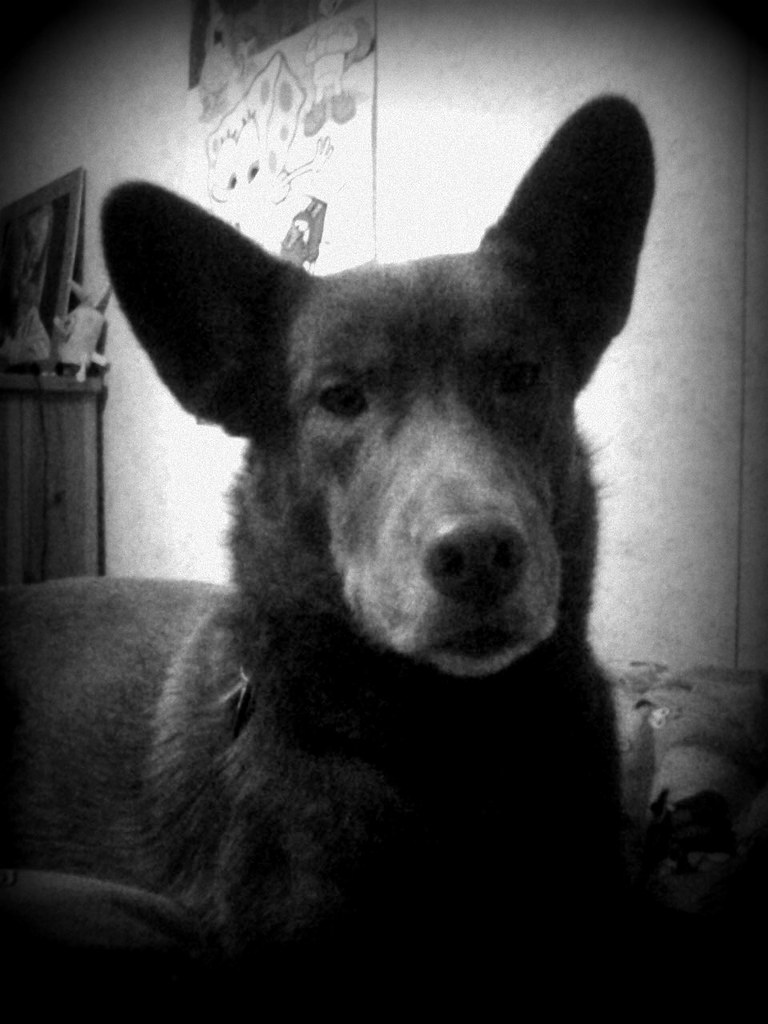
I used to rush in to nudge the bowl or call out his name, thinking I could bridge that gap for him. I realized my interference was adding a layer of social pressure he did not need. The micro-surprise was how quickly he settled once I stopped hovering near the coffee maker and retreated to the reading chair. By keeping my distance, I allowed him the silence he needed to process the movement.
I keep the ceramic dog-bone jar by the coffee maker as a reminder that my job is to be an observer, not a choreographer. I stopped rushing because I noticed that when I gave him those extra thirty seconds of stillness, he almost always found his way to the food without any help. It is not about fixing the pause; it is about respecting the time it takes for him to land in the moment.
Creating a readable space
Three weeks ago, I tried elevating the bowl for Pickle because I thought it would help him reach his food with less effort. I watched him stand on the rug runner in the hallway, staring at the raised dish, and he just looked more confused than before. I expected him to eat with more comfort, but the change only added a new layer of hesitation to his routine. It was a micro-surprise to see that his physical comfort was not the only factor at play in that moment of stillness.
Now, I leave the bowls on the floor and focus on the light in the kitchen instead. I keep the lamp by my reading chair dimmed so the transition from the living room to the food bowls feels less jarring for him. I do not rush the pause between the kitchen floor and the first bite. If I stand near the pantry, I try to keep my movements quiet and predictable. By keeping the floor clear of clutter and the lighting steady, I find that the pauses become shorter and less frantic. It is not about fixing the behavior, but about making the space around the bowl feel like a place he recognizes. A readable house is one where the dog does not have to solve a puzzle just to eat his dinner.
A quieter way to feed
I do not think a home observer needs to become a diagnostician to notice the rhythm of a meal. When I watch Mabel hesitate before her ceramic bowl, I am not looking for a medical label. I am looking for the texture of her day. If she pauses because the kitchen light hits the floor in a way that confuses her, I can simply pull the curtain. If she pauses because her neck feels stiff, I can raise her dish on a small wooden block.
These adjustments are not about fixing a broken machine. They are about making my house more readable for a dog who is navigating a changing world. I find that when I stop rushing the moment, the entire evening becomes softer. A quiet, ordinary meal is often the most respectful thing I can offer.