A moment of stillness
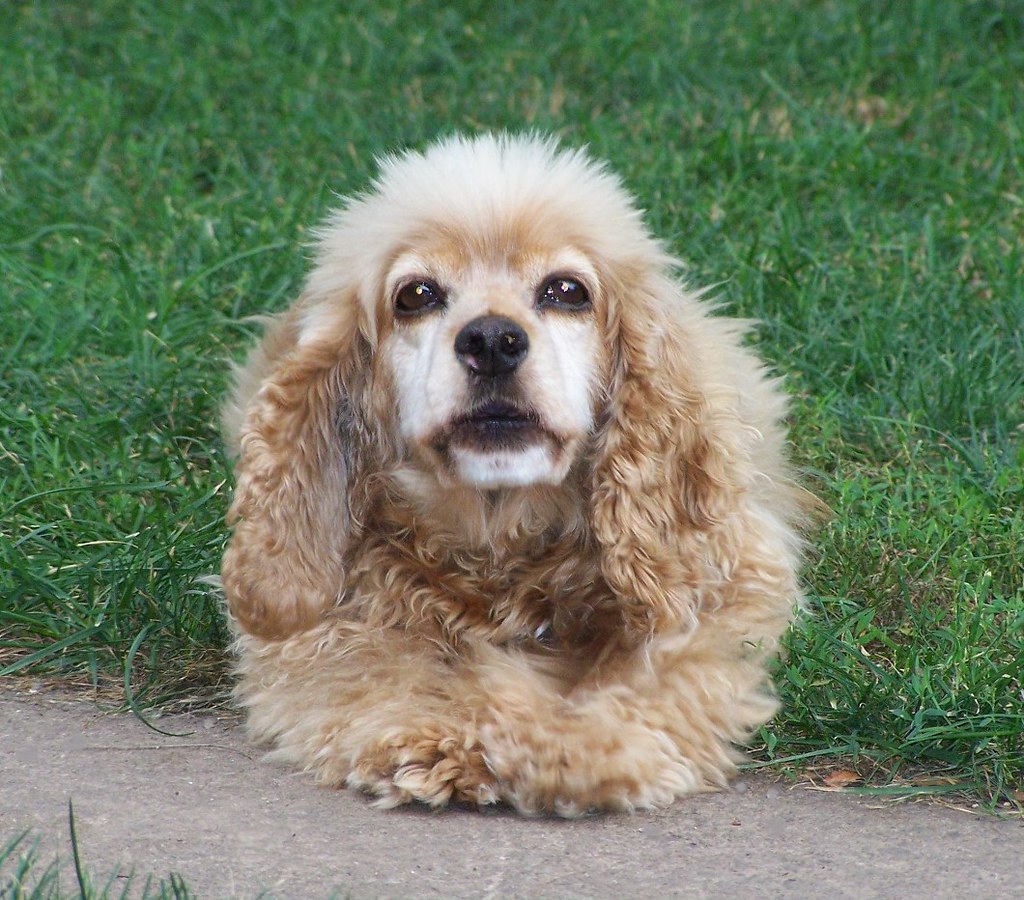
The morning sunlight on the kitchen floor was golden and steady, casting long, familiar shadows near the pantry door. I stood by the ceramic dog-bone jar by the coffee maker, holding a handful of kibble for Mabel. She walked toward me with her usual gentle gait, but when she arrived, she did not look at my face. Her eyes were fixed on the wall behind my shoulder, and she stood there with a strange, glassy stillness that made the air in the room feel thin. I spoke her name twice, but she did not blink or turn toward the sound. It was as if I were a ghost in my own kitchen. She looked right through me for ten long, quiet seconds, and I simply stood still, afraid that even a breath would shatter the fragile, empty space between us.
What the silence felt like
It was that Tuesday morning when the light hit the kitchen floor in a way that made the dust motes look like tiny, suspended stars. I stood by the coffee maker, waiting for the kettle, and watched as she walked toward the back door. She did not look for her leash or check for the bowl of water near the pantry. She simply stopped, her head tilted at an angle that looked almost quizzical, and stared at the wood paneling as if she were seeing a doorway that existed only in her own mind.

I tried calling her name, gently, the way I always do when I want to bring her back to the center of the room. I thought a sharp, happy sound would work, but it just made her blink, a slow, heavy movement that felt like a shutter closing. She did not turn. She did not acknowledge the sound. She just kept standing there, her paws planted firmly on the rug runner, locked into that strange, quiet focus.
It was a micro-surprise to see her so calm. I expected her to be restless or confused, but she was the opposite—still, centered, and entirely absent from the room. I held my breath, clutching my notebook against my chest, and waited for her to remember where she was.
Writing it down
I moved the coffee maker to the far corner of the counter so I could clear space for the notebook I keep on the counter. That Tuesday morning, I tried to write a simple list of her food intake, thinking the structure would settle my nerves, but the ink just smeared across the page and I ended up closing the book in frustration. It did not help at all. Instead, I sat on the kitchen floor with the dog bowl in my lap and watched the way the morning light hit the pantry door.
I expected her to be restless, pacing the hallway until the sun hit the rug runner, but she was the opposite. She stood by the back door, completely still, staring at the wood as if it were a window to somewhere else. I waited for her to turn, to acknowledge the rattle of the leash hook or the sound of my voice, but she remained fixed in that strange, hollow silence. I reached for my pen again, but the paper felt too thin for the weight of what I was actually seeing.
Adjusting the routine
Three weeks ago, I tried moving her ceramic water bowl to the center of the kitchen floor, thinking the extra visibility might help her find it during those hazy morning hours. I expected her to navigate around it with ease, but she simply stood in the corner near the pantry door and stared at the baseboard for ten minutes. It was a failure of an experiment, and it only added to the feeling that the house had become a series of puzzles she could no longer solve. I had to move the bowl back to its original spot by the radiator before she would drink at all.
What actually helped was much quieter and required less movement on my part. I started keeping the hallway lights dimmed until we were ready to head to the back door, which seemed to lower the general hum of anxiety in the house. The sound of Walter and the foster moving in the hallway used to be a chaotic clatter that made me tense, but now I listen for the rhythm of their paws as a way to track the morning pace. The foster carries his own gentle weight, and hearing him shuffle along behind the hound mix helps me stay anchored in the present.
I stopped trying to guide her toward the back door with my voice and instead started walking a few steps ahead of her, keeping my movements slow and predictable. I noticed that when I stopped trying to direct the flow of the morning, she started to find her own path to the rug runner near the kitchen counter. It is not a fix, and it does not erase that morning she looked right through me, but it makes the kitchen feel like a place where we are both still present.
The middle ground
I keep the kitchen light dimmed low when the sun begins to shift across the floor. It is a small choice, but it keeps the shadows from looking too sharp against the pantry door. When I watch Mabel now, I do not look for the dog she was three years ago. I look for the dog who is standing by the ceramic water bowl, waiting for the world to make sense again. It is not a failure to admit that some mornings feel heavy. It is just the reality of living with a senior who occasionally loses the thread of the room.
Walter usually trots over to nudge her, his ears soft against her shoulder, while the foster stays near the rug runner to keep his own steady watch. I do not try to force her back to me when she looks past my shoulder. I just stand there, quiet and present, until she blinks and the light returns to her eyes. This is the ordinary, middle ground where we live now. It is a softer way to be.
What the morning actually looked like
It was an ordinary breakfast morning, which somehow made it harder. Kettle on. Dog dish on the mat. The same good-morning voice I always use. She lifted her head when I said her name, looked straight at me, and for one odd flicker I could feel the signal arriving late. Not absent. Late.
She came back immediately. That is what makes people doubt themselves. One heartbeat later she was herself again, tail giving that mild breakfast wag, face soft, ready to eat. But once you have seen that tiny lag, you start understanding that recognition is not always a switch. Sometimes it is more like a light reaching full brightness a second behind when you expected it.
I think the reason I nearly kept this story to myself is that it felt too intimate. It is hard to write about moments that sound small but land huge. Still, I know other people have stood in kitchens feeling the same mixture of ache and protectiveness. That is why I left the post up. Someone else might need permission to trust a moment that brief.
What I tell myself now when it happens
I remind myself that bond and orientation are not identical. My dog did not love me less in that second. She was having trouble with the signal, not the relationship. That distinction keeps me tender instead of dramatic, and tenderness is a much more useful thing to bring to a dog who already feels a little off-balance.