What I carry into the exam room
The morning light hits the kitchen floor in a way that makes the dust motes dance near the coffee maker, but I am not watching them. I am looking at the small, leather-bound notebook I keep on the counter next to the mugs. It is where I record the subtle shifts in how my senior dogs move through the house. When I see Mabel standing quietly by the back door, staring into the dark yard as if she forgot why she went there, I write it down. I do not trust my memory to hold the frequency of these small, flickering moments.
Walter is napping on the rug runner, his breathing steady and rhythmic, which serves as my anchor against the worry I feel for the others. Even Pickle, the senior foster who joined us just last week, seems to understand the rhythm of this house. He rests his chin on his paws and watches me. I reach for the notebook because I know that once I step into the clinic, the bright lights and the smell of antiseptic will make me forget the specific, messy details of the week. I need the page to speak for me, to show the vet the patterns that exist only in my kitchen. It is not about being a scientist; it is about being the person who has been watching the most.
Why I stopped winging it
Three weeks ago, I sat at the kitchen table with my notebook and realized I had been treating my vet visits like a casual conversation rather than a record of a life. I used to think I could just remember the oddities, the way Mabel had hesitated at the hallway rug runner or how Pickle had spent an extra hour pacing by the back door after his evening meal. I thought relying on my memory would be enough, but it only led to a vague, frustrating blur of words once I stood in the exam room. The specific details would vanish, replaced by my own anxiety and the ticking clock of the appointment.
I tried writing down a single, long list of complaints once, but that approach failed me. It felt like a laundry list of misery that did not capture the nuance of a day. It did not show the difference between a bad afternoon and a permanent change in function. When I looked at that list, I could not tell if I was describing a dog who was having a flare-up or a dog who was fundamentally different. It was a mistake to focus only on the negatives, because it missed the quiet, steady baseline that Walter provided every single day.
The specific weight of my pen in my hand became my new anchor for these appointments. I started to see that if I did not put it in the notebook, it did not exist for my vet. My micro-surprise was how much the act of writing changed my own observation. I expected to find more problems, but instead, I found that the patterns emerged when I stopped trying to capture everything and started looking for the small, half-inch shifts in how they moved through the kitchen.
Now, I carry four simple questions written on a scrap of paper that I tuck into my pocket near the leash hook. It is not about perfect data, and it is not about being a scientist. It is about having a reliable map of my house so that when I am standing by the coffee maker explaining what I saw, I am not guessing. I am simply reading back the notes I made while the memory was still fresh and the house was quiet.
The four questions that anchor my day
I sat at the kitchen table three weeks ago with my notebook open, staring at the blank page while the kettle hummed on the stove. I had tried to track every single movement of the dogs that week, thinking that more data would lead to a clearer picture, but it only made the house feel cluttered with anxiety. I had pages of scribbled notes about water intake and sleep cycles, yet I felt no closer to understanding the quiet shifts in their behavior. It was a failed experiment in precision that left me feeling more frantic than informed.
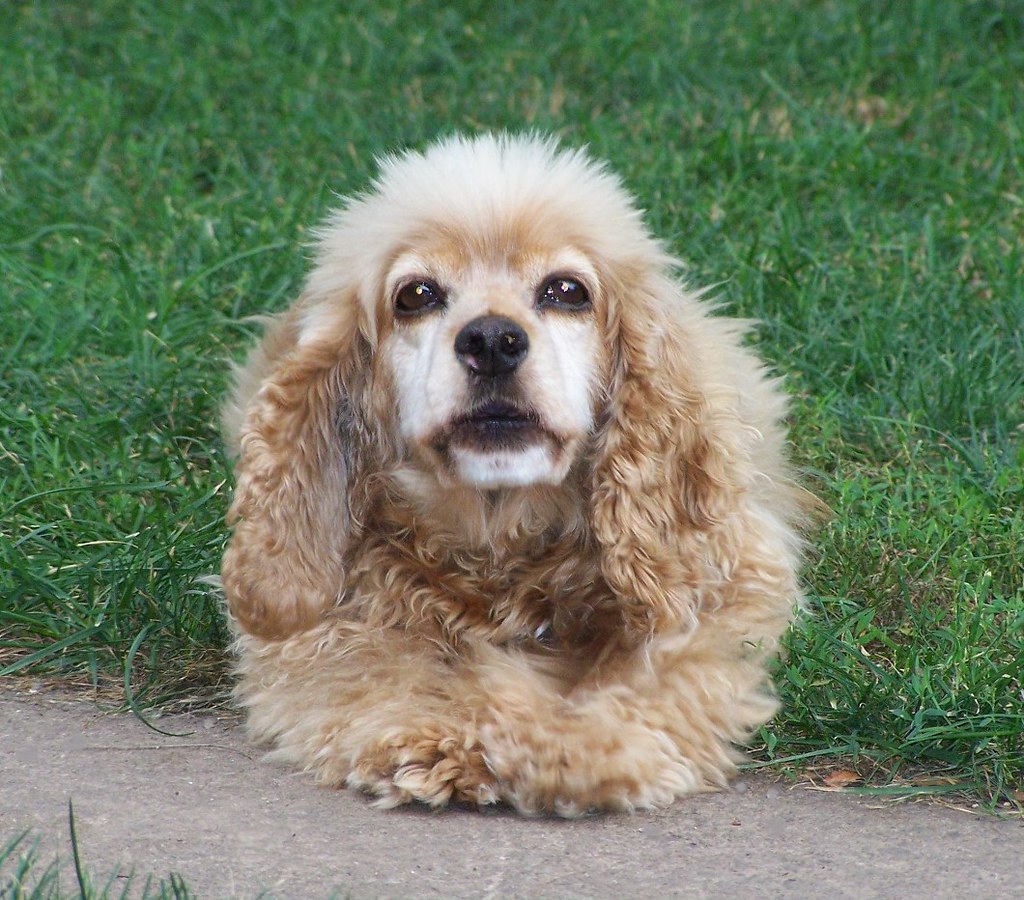
The shift happened when I looked down at the rug runner by the back door. Pickle the cocker spaniel was sleeping there, his breathing steady and rhythmic in the afternoon sun. I expected him to be restless given the changes in his routine, but he was the opposite. He was entirely settled, a small, dark shape against the light wood floor. That micro-surprise changed how I approached my notebook. I realized I did not need a ledger of every blink and sigh. I needed a set of questions that would keep me grounded when I walked into the exam room.
My notebook is now home to four specific inquiries I ask myself before I even reach for the leash.
- Has the rhythm of our morning walk changed in a way that feels like a hesitation rather than a choice.
- Is there a new lag in how they respond to the sound of the kibble hitting the ceramic bowl in the kitchen.
- Does the space between us in the hallway feel different, as if they are navigating an invisible obstacle I cannot see.
- Is the way they settle into the reading chair or on the rug runner by the radiator consistent with who they were a month ago.
I keep these questions on a small slip of paper tucked into the back of my notebook, right next to the leash hook. It is not about finding a diagnosis or a magic answer. It is about having a language for the things that usually vanish the moment I sit down in front of my vet. By the time I am standing at the counter in the clinic, I am not trying to recall a week of data. I am just reading from the page, keeping the conversation as ordinary as the morning routine itself. It makes the visit feel less like a performance and more like a shared observation of the life we are living together.
How the rhythm of the visit changed
Three weeks ago, I walked into the exam room with a plan that felt heavy in my hands. I had tried printing out a log of every time Pickle stumbled near the radiator, thinking a thick stack of paper would help the vet see what I saw. Instead, the paper just made the small room feel cluttered and my own anxiety more visible. I felt like a student trying to pass a test rather than a person trying to help a senior dog. I realized that the paper was not communication; it was just a barrier I had built to protect myself from the fear of being misunderstood.
The micro-surprise was how much lighter the conversation felt once I tucked the notebook into my bag and just spoke. I expected the vet to be impatient with my lack of data, but she was the opposite. She leaned back against the counter and listened, which allowed the space to become a place for observation rather than a place for cross-examination. I stopped trying to prove that something was wrong and started describing the way Pickle paused at the back door before he decided to go out. That small shift in my own posture changed the entire tone of the hour.
I now treat the visit as a conversation between two people who both want the same outcome. I do not bring the pile of printed charts anymore. I bring the four questions and my own ability to stay present, even when I am worried. The exam room is not a courtroom, and I do not have to defend my observations. If I notice that he is sleeping differently near the coffee maker or that his gait is off by half an inch, I just say that. It is a quieter way to exist in that space, and it makes the walk back to the car feel much more ordinary. I am not trying to fix the situation in ten minutes; I am just making sure the record is accurate and that I am listening to what the vet sees, too. It is a practice that keeps me from feeling like I have to carry the weight of the world on my shoulders every time we pass through that door.
Living in the middle ground
I remember that Tuesday morning when I tried to force a rigid structure on our day. I thought a strict, color-coded chart on the refrigerator door would help me track the hydration of my foster, Pickle, but it just made the kitchen feel like a clinical office instead of a home. I spent more time staring at the chart than watching the dog, and I missed the way he was actually asking for help. It was a mistake to think that documentation could replace the slow, quiet observation of his habits near the water bowl.
The micro-surprise came later that same afternoon. I expected the senior cocker spaniel to be restless and pacing, as he had been for days, but he was the opposite. He found the soft rug runner in the hallway and simply fell into a deep, heavy sleep for three hours. It was a reminder that sometimes the best intervention is to provide the space for the dog to settle, rather than constantly trying to manage the symptoms.
My notebook now sits on the small table by the reading chair, and it is far less about tracking numbers and more about noting the rhythm of our house. I do not look for perfection in my dogs or in my own care. I look for the small, readable moments that tell me we are okay for now. It is a quieter way to exist, anchored in the ordinary movements of the kitchen, and it is the only way I have found to stay present without losing my mind to worry.
A quieter way to listen
I often sit in the wooden chair by the kitchen radiator while the house settles into the evening. Mabel is usually tucked against the baseboard, and Walter is stretched out on the rug runner near the pantry door. Pickle, the foster, has found a patch of warmth near the back door where the light fades. My notebook sits on the counter corner, filled with the small, messy details of our days. I do not look for grand answers anymore. I look for the way the breathing changes when the house is still.
It is not about having the perfect plan for the next appointment. It is about keeping the space between us readable and ordinary. That has become my whole rule.